


The system must change to secure the future of food, is the key message at the Extinction or Regeneration conference
Organised by Compassion in World Farming in partnership with a number of organisations, including IPES Food and BirdLife International, the Extinction or Regeneration conference took place at the QEII Centre in London this May.

Why A ‘Humane’ Label On Meat And Eggs Means Very Little
For many, eating animal products involves some cognitive dissonance. Americans tend to think that the farmed animals we eat were treated better than they actually were

Rewilding: A ‘bleak’ landscape is one that’s full of promise and there are natural wonders to be found
Exploring an untamed landscape can be exciting for those who love nature

Consider the noble octopus
The Canary Islands will soon host the world’s first industrial octopus farm. But there is no humane way to slaughter these intelligent, sentient creatures.


Italy’s ‘land without animals’ reveals something sinister behind its famously passionate relationship with food
I’ll never forget my summer road trip through the land of gastronomy. I spent several days touring Italy’s most fertile agricultural valley.

Philip Lymbery: “Ci restano solo sessanta raccolti. Investiamo nell’’agricoltura rigenerativa”
Intervista con il direttore di Compassion in World Farming: “Ogni anno circa l’1% del territorio globale si deteriora”

Time’s up: reaching ‘peak meat’ and shifting to plant-based is no longer an option, but a need
For many years, I consciously chose veggie dishes from restaurant menus and avoided buying cheap supermarket meat. I ate ‘minimal meat’ for environmental reasons. But it was only when I spent a stomach-wrenching four hours observing a porpoise post-mortem that
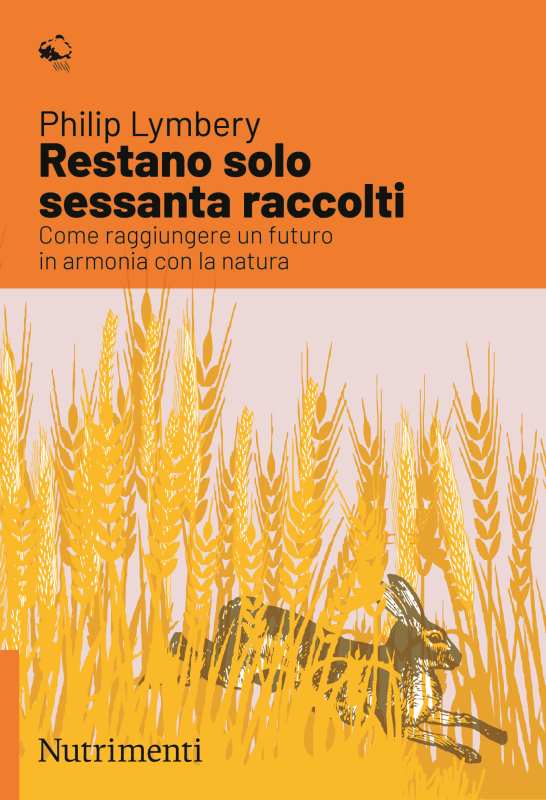
“Only sixty harvests remain” today. The presentation in Bologna
14 Aprile ore 18 la Feltrinelli Bologna Via Ravegnana 1 Philip Lymbery presenta Restano solo sessanta raccolti interviene la giornalista e autrice Sabrina Giannini Venerdì
SOS earth, fertile soil is running out
“Restano solo sessanta raccolti” rilancia un allarme dell’Onu: l’agricoltura iper-intensiva dilava e insterilisce i suoli, causando anche un aumento della CO2 in atmosfera, e intervenire con più chimica e più tecnologia non risolve il problema