

KINDNESS: THE FORGOTTEN SUPERPOWER


Why Compassion in a Fractured World Matters More Than Ever
On a cold October morning on Hampstead Heath, an elderly woman collapsed. Among those who rushed to help was chart-topping singer-songwriter Lewis Capaldi. Capaldi called emergency services and refused to leave her side until the ambulance took her to hospital. It was an act of kindness, of concern for others even more remarkable perhaps because of his fame. The superstar was hailed a superhero.
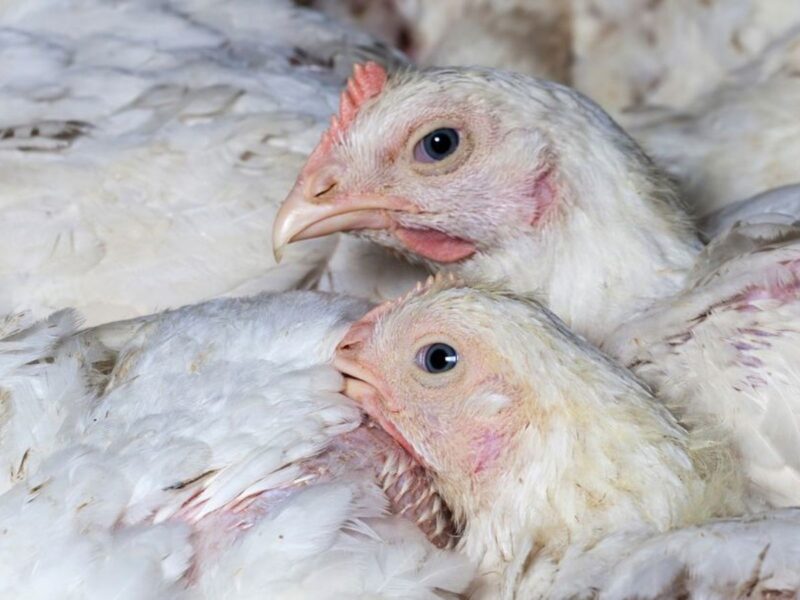
No less thoughtful or kind, was a recent incident involving refuse worker, Richard Colgrave. During his rounds early one morning, he came across a live chicken dumped in a carrier bag. The bird, barely alive, had been thrown away like rubbish. Disgusted and angered by this dreadful animal cruelty, Richard rescued the bird. The chicken recovered and has since been found a home.
Stories like these remind us why kindness matters – not just in extraordinary moments, but in everyday life. Kindness is a thread that binds us all. Community kindness projects – from food banks to wildlife rescue – show how small acts ripple outward.
A Fine Line
Mid-November marks World Kindness Day (13th November). We all recognise kindness in incidents, actions and in others. Tangible actions that resonate. Little moments of positivity that can make a big difference. Random acts of kindness that create goodness and spread wellbeing.
Kindness is more than friendliness – it’s an awareness that our actions can shape lives for better or worse. We all have so much going on that sometimes kindness gets pushed aside. We don’t always mean it. Sometimes, life just gets in the way. Stressfulness, being distracted or just in a hurry can have us behaving thoughtlessly when we really didn’t mean it. We’ve all felt that sting of indifference – a curt email, a smile unanswered. That feeling of having been left out of a conversation. There’s a fine line between small acts of kindness, thoughtlessness and disregard.
Transformative
Albert Einstein once said, “Kindness is the highest form of intelligence.” This challenges us to appreciate that true kindness is more than just behaviour. It’s a true superpower. It has the ability to help us act instinctively, on impulse, to support others in need. To uplift those around us, to help heal, and connect.
Kindness is not only a moral choice; it’s a practical one. Research shows that acts of kindness improve mental health, reduce stress, and strengthen communities.
When we choose kindness – whether by helping a neighbour, supporting local farmers who prioritise animal welfare, or protecting green spaces – we create resilience. In a world facing uncertainty, kindness becomes a form of social glue, binding people together and fostering hope where despair might otherwise take root.
Kindness has never been more vital – a quiet force that transforms lives. A super-power that makes no sound but can move mountains.
When kindness was voted Oxford Children’s Word of the Year in 2024, one child said, “Everyone you meet is fighting a battle we know nothing about. We should treat everyone with kindness. You never truly know how much it could help someone”.
It’s a compelling reminder that kindness is valued by all generations, something that everyone and anyone can do to make a difference.

The Golden Thread in our Lives
Knowing the strength of kindness empowers us all. Now is the time to put kindness at the centre of society. These days, it matters more than ever.
Never has our world seemed so broken, with wars, famine, animal cruelty and environmental destruction. As things stand, with the impending climate crisis, the collapse of nature, and the rising risk of future pandemics, human society could be lucky to make it past the 21st century.
But there is another way. One that’s much better for all our futures. One that isn’t confined to viewing kindness as a quality for humankind alone but that treats all life with kindness. One that includes in our circle of kindness, the animals whose habitats we seem to systematically destroy and the animals we abuse for amusement or for food. One that puts a supportive arm around the wider world around us. Like the importance of farming in nature-friendly, biodiversity-supporting ways, and by embracing a healthier plant-rich diet that nourishes people and our planet, and secures a just future for all.
Community built on kindness
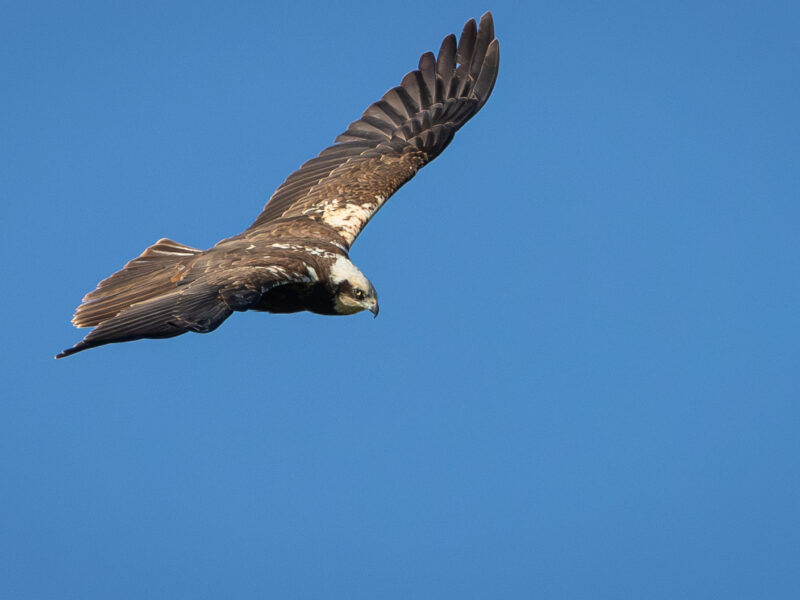
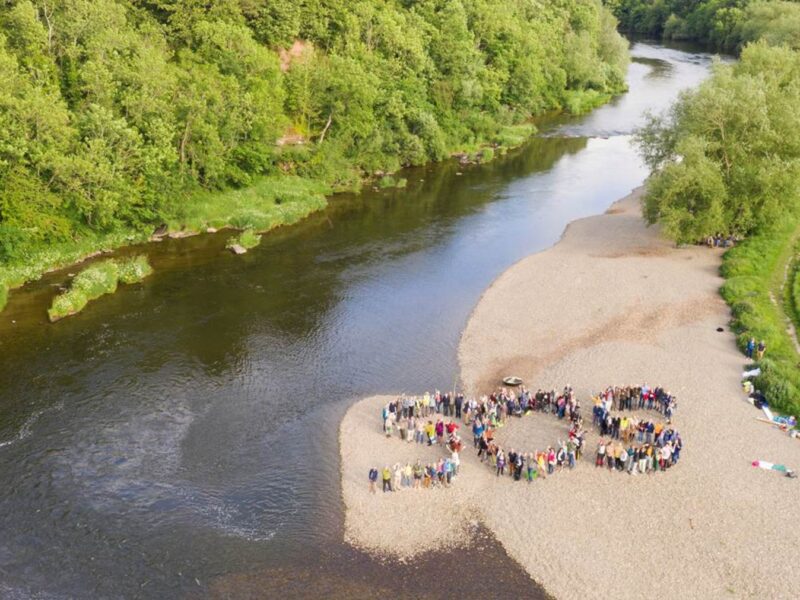
Together, we can ensure that kindness extends beyond our human interactions to the way we treat the natural world. It means caring for the farmed animals whose lives are too often reduced to commodities, ensuring they experience dignity and compassion rather than confinement and suffering. It means protecting wildlife and the countryside that sustains us, recognising that every hedgerow, every pollinator, every bird in flight is part of a delicate web of life.
True kindness calls us to farm in harmony with nature, to choose food systems that respect animals and restore biodiversity, and to embrace diets that nourish both people and planet. When we widen our circle of kindness to include all living beings and the landscapes they inhabit, we create a future rooted in empathy, compassion and sustainability.
If we could put kindness front and centre of what we do in our daily lives, the world would be a better place. If we set our gauge by ensuring the well-being of the least empowered and the voiceless, we could transcend so many of the problems currently facing society. Food poverty, homelessness, animal cruelty.
Kindness isn’t a luxury – it’s the thread that binds humanity, animals, and nature. Let’s weave it into everything we do.
Note: This is a version of an article that was first published in The Scotsman on Friday 14th November, 2025
Main Image Credit: istock