
SCOTLAND’S CLIMATE PLAN FORGOT THE FORK – HERE’S HOW WE FIX IT


On a raw January morning, I found myself standing in a supermarket aisle watching condensation trickle down the plastic film of imported chicken. Outside, hail rattled the windows. Inside, fruit and veg shone under fluorescent lights – seemingly abundant, effortless and far removed from the storms battering our coasts or the floods leaving fields waterlogged across the country.
It struck me that Scotland’s climate future is not just shaped in Holyrood committee rooms, but also here, in the small, everyday choices we all make – especially the ones that involve our plates.
That’s why the Scottish Government’s Draft Climate Change Plan 2026–2040, now open for public consultation until 29 January, matters so much. It promises warmer homes, cleaner transport and a renewed national effort to stabilise our climate.
All of which is deeply welcome. Scotland has already reduced emissions by just over half since 1990 – no small achievement for a nation with a long industrial legacy.
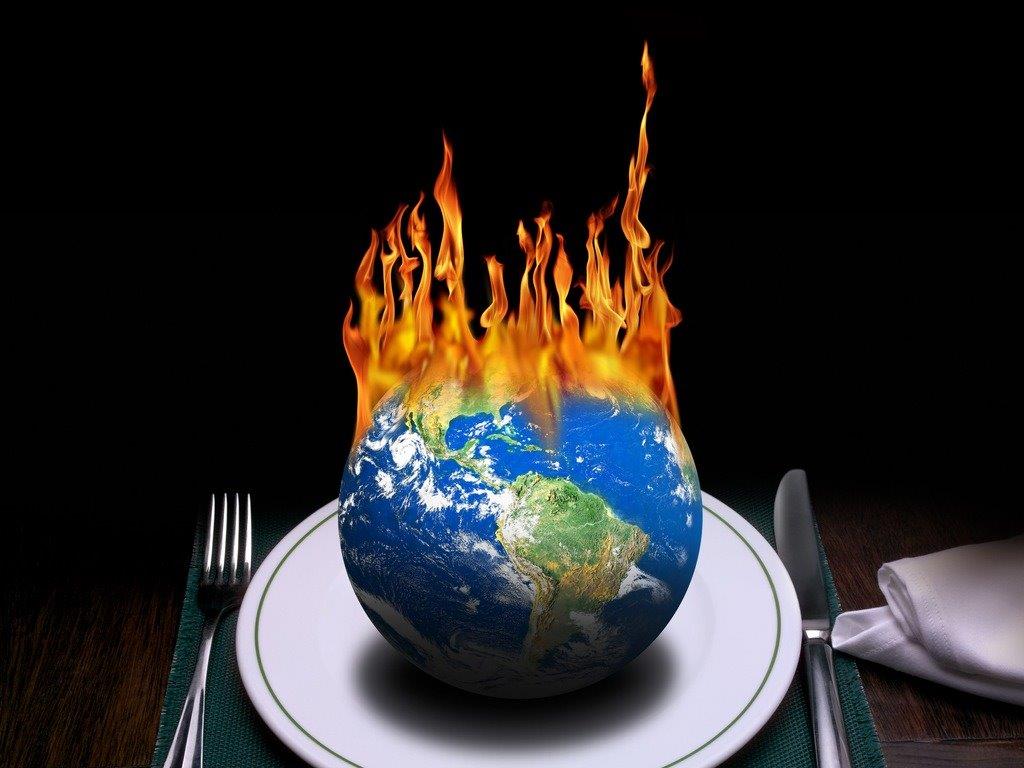
But there’s a missing ingredient in this plan and it’s one we can no longer ignore: food.
Tiptoeing Around the Dinner Table
The draft plan sets out more than 150 proposed actions across energy, buildings, transport, and agriculture. It has bold targets for phasing out new petrol and diesel cars, restoring peatlands, ramping up woodland creation and shifting our heating systems to lowcarbon alternatives. These are good, necessary steps for a resilient future.
Yet when it comes to the biggest environmental driver most of us can influence personally – our diets – the plan falls unsettlingly quiet.
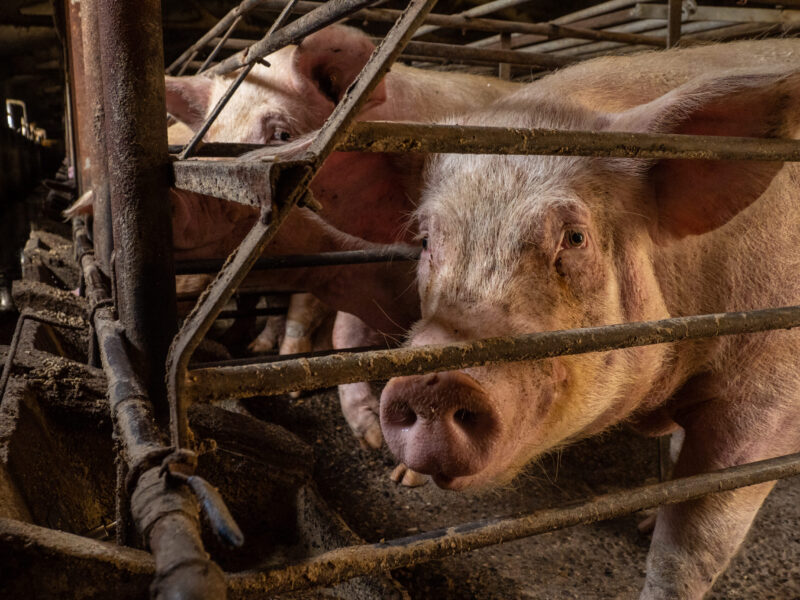
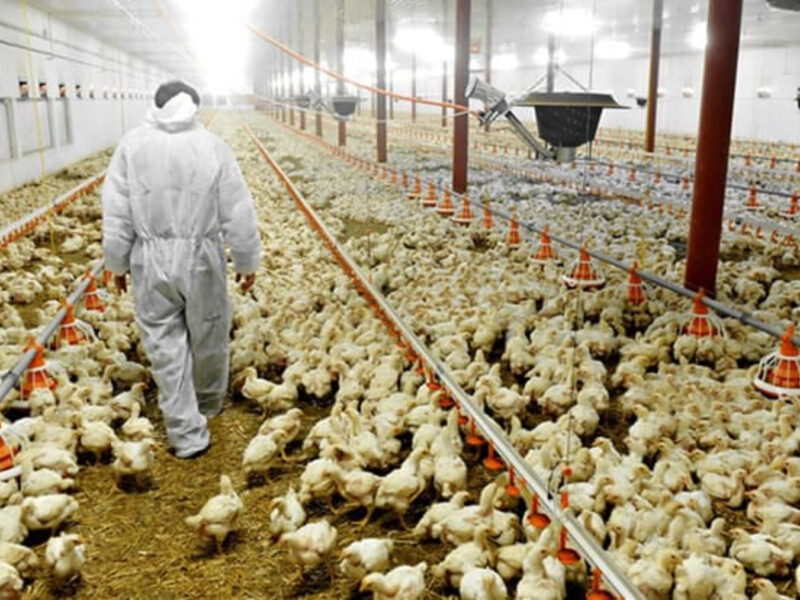
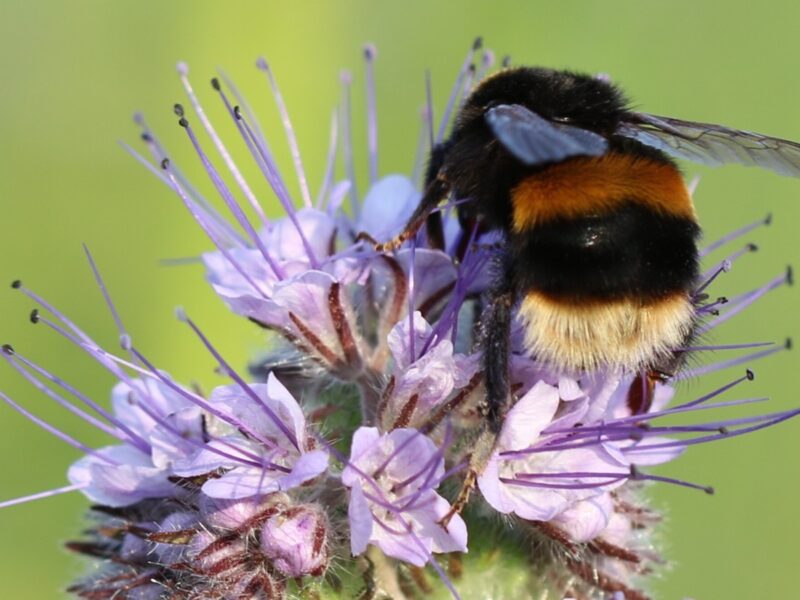
Food systems account for around a third of global greenhouse gas emissions. According to WWF, Scotland’s animal farming alone is responsible for 75 per cent of agricultural emissions. Globally, the way food is produced and consumed is intimately tied to biodiversity loss, soil degradation, river pollution, antibiotic overuse and poor public health.
Still, the draft plan barely gestures toward dietary change. It focuses on farming practices – important, yes – but stops short of putting what we eat front and centre of what needs to change. It misses the opportunity to build on the Good Food Nation Act.
It’s a glaring omission.
Why Food Matters More Than Ever
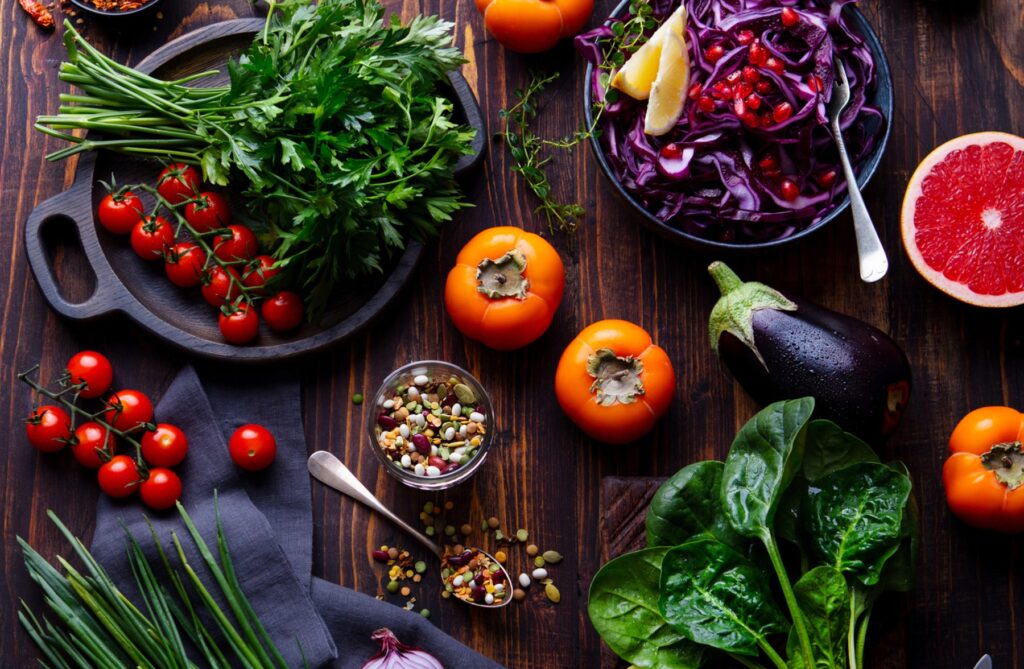
If we ignore the food system in our climate plans, we risk missing one of the most powerful tools for change. Shifting to more plantrich diets is highlighted by scientists as essential for meeting climate targets while restoring nature and ensuring future food security.
Indeed, this was the central argument of the EATLancet Planetary Health Diet, the launch of which I attended recently in Copenhagen. That landmark scientific roadmap showed how a global shift toward balanced diets – rich in fruit, vegetables, legumes, nuts and whole grains, and containing less and better meat and dairy – could dramatically reduce emissions, restore ecosystems and improve public health.
It made clear that dietary change is one of the most effective climate solutions available, and crucially, one that delivers enormous cobenefits for animals and people alike.
But such a shift must be consumptionled. Setting reduction targets for Scottish farmers while people continue to eat the same amount of meat and dairy would not cut emissions. It would simply offshore them.
This is where the government’s role becomes indispensable. If we want to see a move toward less and better meat and dairy – higherwelfare, pasturebased, naturefriendly – then policy must help shape the environment in which choices are made. People cannot choose what isn’t available, affordable or visible.

Missed Opportunity
So why does the Climate Plan underplay this shift? – burying it in an annex.
Part of the answer may lie in political hesitancy. Food is emotive and culturally significant. People understandably bristle at being told what to eat. But failing to address the environmental impact of our diets doesn’t make the issue go away. It simply pushes the difficult conversations further down the road, where the choices will be tougher and the consequences more severe.
This is precisely why government must help create healthy, climatefriendly food environments.Where the better choice is the easier choice. That means making nutritious food from regenerative and organic farms more affordable, more accessible and more widely available. Encouraging consumption of more fruit and vegetables. It means reshaping procurement, so schools and hospitals lead by example. And it means ensuring that farmers have strong, secure markets for sustainably produced food.
None of these measures would force people to eat a particular diet. They would simply make the better choice the easier choice, and crucially, help consumption shift in a way that supports, rather than undermines, farmers.
Scotland’s Chance to Lead
Scotland has shown leadership before – on climate targets, on peatland restoration, on renewable energy and recently on the pledge to end cruel battery cages for laying hens.
Scotland can lead again by embracing a climate plan that recognises food for what it is: one of the most powerful levers we have to protect our shared future.
The government says this plan will be shaped by the people of Scotland. If food matters to you – as a parent, a farmer, a business owner, or simply as someone who wants a liveable planet – now is the time to speak up.
The consultation is open until 29th January. Your voice, your experience and your priorities can help ensure that the final Climate Change Plan is as ambitious, honest and hopeful as we all need it to be.
Because when it comes to climate action, what we put on our plates is not a side issue. It’s the main course.
Note: This is a version of an article that was originally published in The Scotsman on Friday 23rd January, 2026.