
JANE GOODALL: A LEGACY OF HOPE IN A FRAGILE WORLD


Turning intellect into intelligence for the year ahead.
As the year draws to a close and a new one beckons, it’s a time to reflect on what truly matters and on those who have shaped our world for the better.
Pre-eminent among them stands Dr Jane Goodall, an extraordinary scientist whose influence reaches far beyond the forests of Africa where her story began. Best known for her work with wild chimpanzees in Gombe Stream National Park, Tanzania, Jane redefined what it means to be human. Her life reminds us that true progress is measured not by what we take from the Earth, but by what we give back.
When the news broke earlier this year that Dr Jane Goodall had passed away, the world lost far more than a pioneering scientist. We lost a moral compass – a guiding light whose life’s work was a testament to the idea that intellect and compassion must walk hand in hand if humanity is to survive.
In an age of ecological crisis and moral uncertainty, Jane’s voice was unwavering, her message clear: a better future for all life on this lonely planet is possible, but only if we choose it.
Unwavering strength
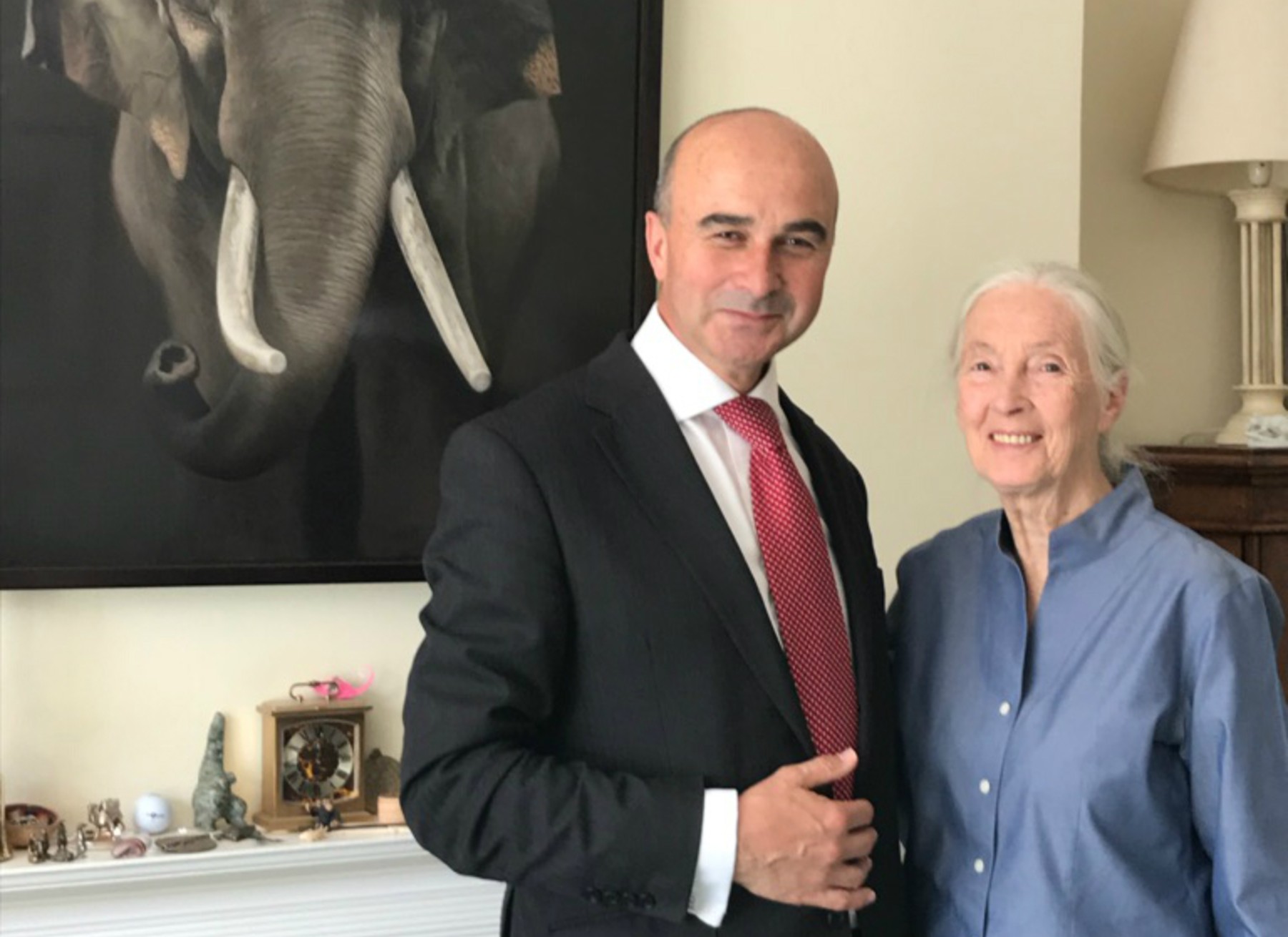
For me, Jane was never just a global icon. She was a friend, a mentor and an inspiration. Some of my most treasured moments have been those spent talking with her. Her words – insightful, plain-speaking – carried a rare combination of gentleness and strength. No grandiose flourishes, just humility and a deep well of empathy. In her presence, you felt the quiet power of someone who truly understood what it means to care.
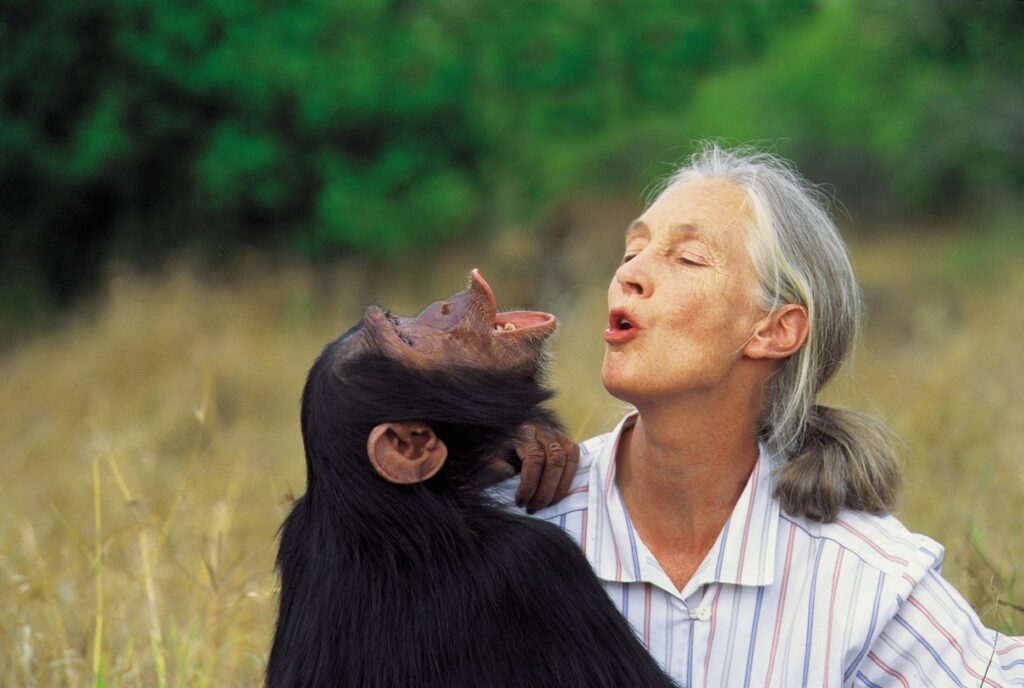
Jane’s empathy for animals was crystal clear from the start. She saw them for what they truly are: individuals with personalities, preferences, wants and needs.
That simple truth, obvious now, was revolutionary then. In her early research at Gombe, she defied scientific convention that insisted animals were mere automatons, devoid of emotion or thought.
Challenging assumptions
At Cambridge University, she was told by senior scientists not to name the chimpanzees she was studying or speak of them having minds or feelings. It was a diktat that she ignored. That act of quiet defiance changed everything. It opened the door to a new understanding of life on Earth. One that recognised the sentience and dignity of other species.
That, to me, is compassion in action: a stoical commitment to speaking truth to power, fuelled by empathy and intuition. It is the kind of courage that does not shout, but persists – day after day, year after year – until the world begins to listen.
I had the enormous privilege of working alongside Jane at the Museum of Natural Sciences in Brussels. It was a symposium on the future of food. Jane gave the opening remarks; I delivered the closing ones. Standing among towering dinosaur skeletons, I listened as she spoke about the trajectory of our species – a rather weak and unexceptional ape that, through intellect, had become what she called “self-appointed masters of the world”.
Her words were sobering. They carried a truth that feels even more urgent today.
She drew a distinction that has stayed with me ever since: the difference between intellect and intelligence. After all, “an intelligent animal would not destroy its only home”.
Finding peace
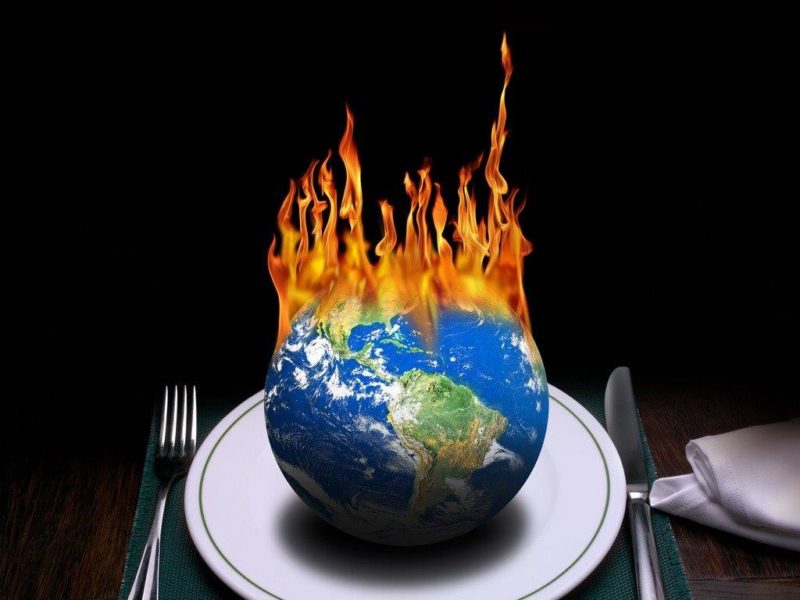
That line echoed in my mind as I looked up at the fossilised remains of creatures that once ruled the Earth. Life is fragile. Civilisations rise and fall. Species vanish. And here we are, waging a war on nature that could well seal our own fate. Factory farming, with its cages, chemicals and deforestation, is not just an animal welfare issue – it is a planetary emergency. It is a war we cannot win, because it is a war against the very fabric of life.
Jane understood this long before most. Her vision was not limited to the forests of Gombe; it stretched across continents and generations. Through her work, her writing and her global initiatives like Roots & Shoots, she inspired millions to see the interconnectedness of all living things. She reminded us that every choice matters – that what we eat, what we buy, how we live, all ripple outward to shape the world.
Unbridled hope
And yet, for all her warnings, Jane never succumbed to despair. She spoke often of hope – not as a passive wish, but as a call to action. Hope, she believed, is born of engagement. It is what happens when we roll up our sleeves and do something, however small, to make a difference.
That is why her message resonates so deeply today. In a time of climate anxiety and ecological grief, Jane offered a vision of renewal.
Perhaps, as she suggested, it is time for our species to evolve once more – not biologically, but morally. To turn intellect into intelligence. To recognise that cleverness without conscience is a dead end. This is not romantic idealism; it is survival. If we are to avert catastrophe, we must learn to live in harmony with the natural world, not in domination over it.
Thank you, dear Jane, for showing us the way. For proving that science and empathy are not opposites, but partners. For reminding us that compassion is not a luxury – it is a necessity.
As we mourn your passing, let us celebrate your vision in the year ahead – a new era, a new intelligence, a new hope. The question now is whether we will summon the courage to make it real.
Note: This is a version of an article that first appeared in The Scotsman on Friday 26th December, 2025