
WHEN A WINTER VIRUS MEETS OUR MORNING EGGS


Why blaming wild birds misses the real cause of our worst avian flu outbreaks
It begins with a silence, the kind followed by a cull. The setting belies the tragedy. The rolling hills and outstanding natural beauty of West Linton in the Scottish Borders. Tens of thousands of birds were lost there recently as highly pathogenic Avian Influenza (H5N1) continues to sweep through the country. Glenrath Farms – one of Scotland’s largest producers of eggs, including organic and free range – has suffered several outbreaks, forcing strict movement controls and leaving entire sheds empty.
Across the UK, this winter’s bird flu season is expected to be among the worst on record. Since October, over 90 cases have been recorded nationwide.
Widespread outbreaks of highly pathogenic Avian Influenza have occurred on farms across Europe, with turkeys particularly affected. Nearly 700 outbreaks were recorded on European poultry farms last year, with Germany, Poland, Hungary, France and Italy particularly hardest hit. Wild birds experienced an unprecedented high level of infection on the continent during the autumn migration.
Yet behind these headlines lies a deeper truth – one that the public conversation so regularly gets wrong.

Wild Birds: Victims, Not Villains
Too often, wild birds are fingered as the culprits, as if they alone conjured this virus and delivered it to our farms. The reality is very different.
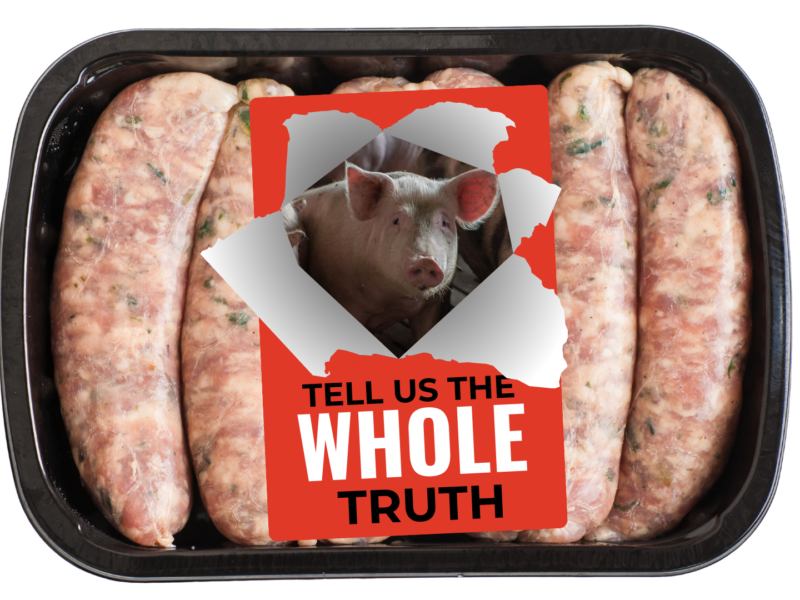
Highly pathogenic strains like this one likely originate and intensify not in wild flocks, but in crowded industrial poultry systems, where tens of thousands of birds are kept in close quarters. In such conditions, viruses spread fast and mutate freely, ratcheting up their pathogenicity as they go – a biological arms race playing out in real time.
Once supercharged inside crowded farm sheds, the virus can leak into the environment, infecting wild waterfowl, gulls, raptors and seabirds. Those birds, already stressed by habitat loss, changing climate patterns and shifting food availability, become unwitting carriers of a virus they never caused, suffering mass dieoffs as a result.
They are victims of a system that ultimately can send the virus back into poultry farms – including free range ones such as Glenrath’s – completing a tragic and destructive cycle.
This point matters. Blaming wild birds distracts from the uncomfortable truth: that intensive farming gives rise to the dangerous virus dynamics now ricocheting between commercial flocks and the natural world.
A Winter Virus and Structural Weaknesses
This year’s H5N1 strain has been described as ‘superinfectious’ with farmers warned to prepare for the worst.
England, Wales and Northern Ireland have already introduced compulsory housing orders requiring flocks over 50 birds to be kept indoors. Scotland hasn’t imposed one yet, but officials note that could change if cases rise.
Housing orders protect flocks when wild birds in the area are infected, but they do not address why the virus has become so deadly in the first place. Nor do they fix the vulnerabilities created by systems that put too many genetically similar animals into too small a space, creating perfect conditions for viral amplification.
When FreeRange Meets a Housing Order
During a housing order in the UK, eggs produced by hens kept free range can legally remain labelled as “freerange”. The welcome rule change was brought in recently to support farmers and prevent sudden, catastrophic market shocks in what has become a serious seasonal affliction.
But it also reveals how thin the line is between supply stability and public perception.
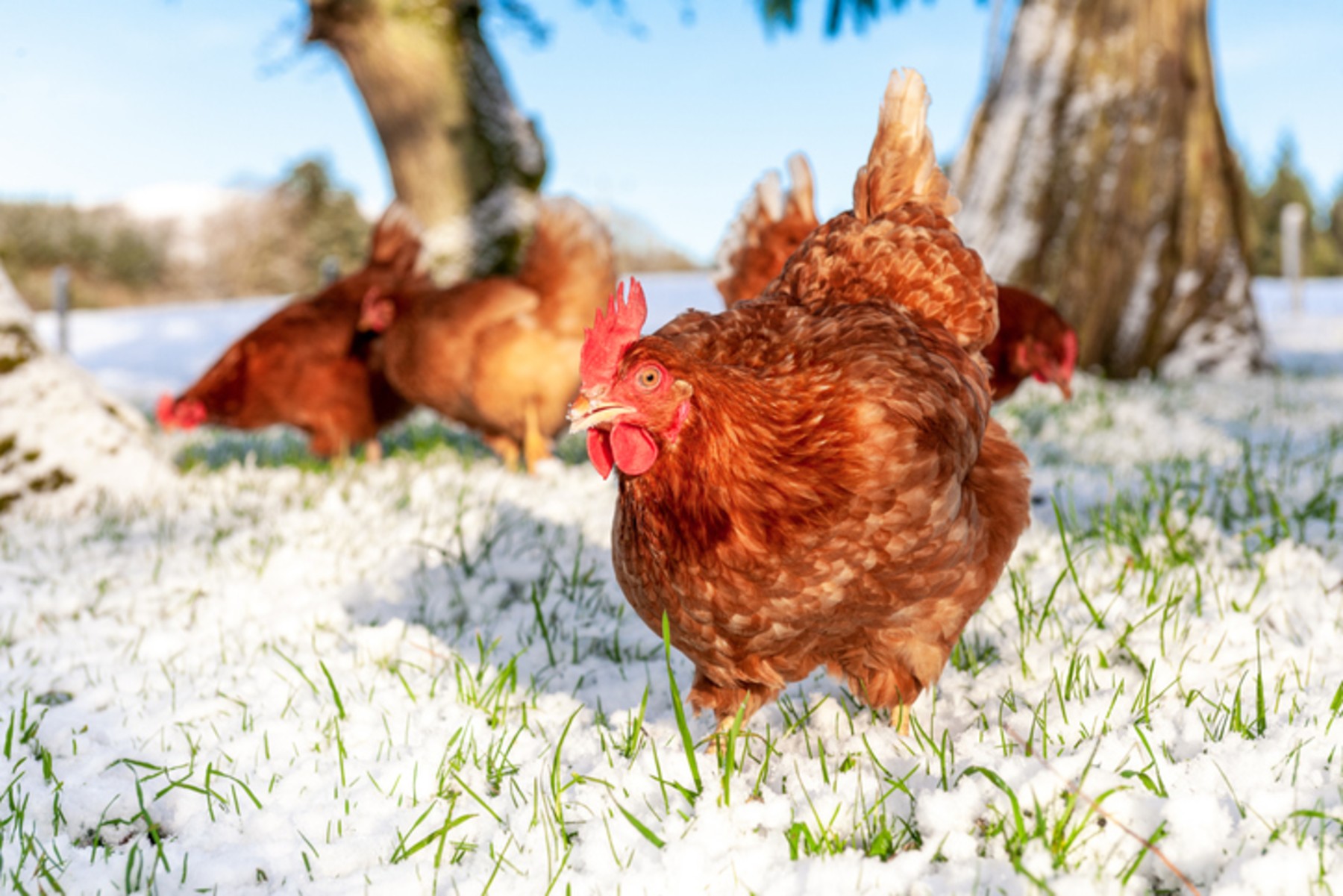
Consumers cherish freerange eggs. Farmers want to provide them. And the hens benefit from the high welfare conditions created by being allowed to roam around roomy paddocks.
Yet a virus boosted by intensive systems can force even the best freerange farms to have to shut their birds indoors temporarily.
It’s a reminder that ethics, welfare and resilience are intertwined and vulnerable to the same underlying pressures.
Wild Bird Losses: a Warning, not a Blame Game
When H5N1 spills into wild populations, the results can be devastating. Heartbreaking scenes have been seen in recent years: dead gannets washing ashore, eagles and skuas succumbing to infection.
These losses should be read not as evidence of wild birds ‘spreading’ disease, but as a warning about how far industrialised farming practices have allowed viral virulence to escalate.
The virus is telling us something about the stresses in our food system and our ecosystems. It’s time we listened.
Recent impositions of blanket protection zones, meaning that poultry have to be housed indoors across whole countries, underlines that H5N1 moves through systems, not scapegoats.
What isn’t widely known is that the vast majority of the poultry sector – for eggs and meat – keeps its birds indoors anyway. It is based on a system where large monocultures of genetically uniform birds are crammed in large numbers at high stocking densities in factory-like sheds.

A Winter Warning, a Chance to Change Course
Real solutions mean vaccinating flocks to curb transmission. Reshaping the industry toward smaller, lowerdensity farms with hardier breeds and fewer site clusters. These are practical steps that can reduce the conditions in which dangerous strains evolve and spread.
Bird flu is not a seasonal inconvenience. It is a structural symptom of how we farm, how we treat the natural world and how deeply the two are intertwined.
Wild birds are not to blame. They are the heartbreaking proof of what happens when a virus, turbocharged by intensive farming, spills into the wider world, and then returns to wreak havoc on the very farms that helped shape it.
If we want to protect our birds, our farmers and our breakfast tables, we need to stop pointing upwards at the migrating geese and start looking closer to home.
The virus is evolving. We must evolve faster.
Note: This is a version of an article that was first published in The Scotsman on Friday 6th February, 2026.