
Why We Should Care About Nature: A Distinguished Panel at Oxford
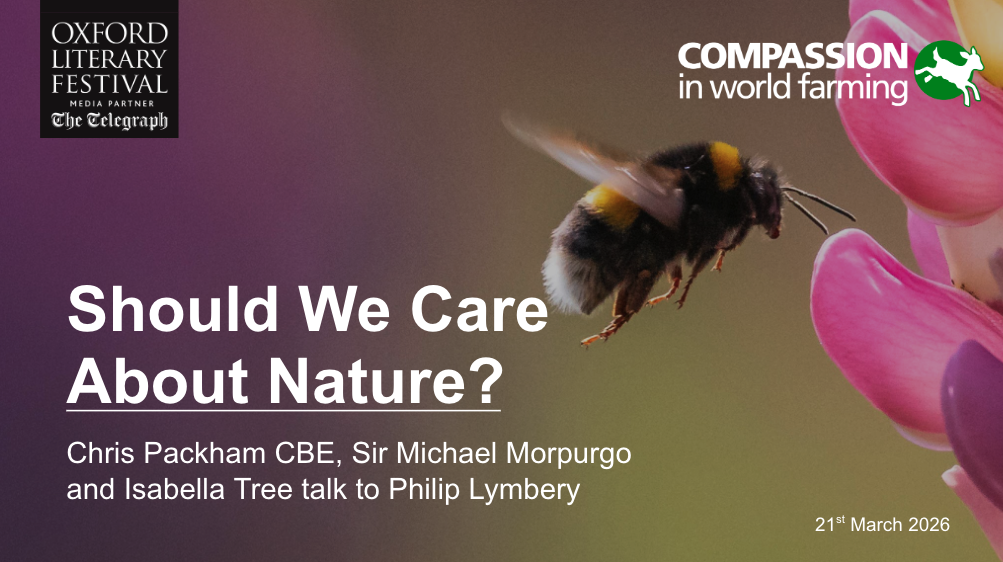
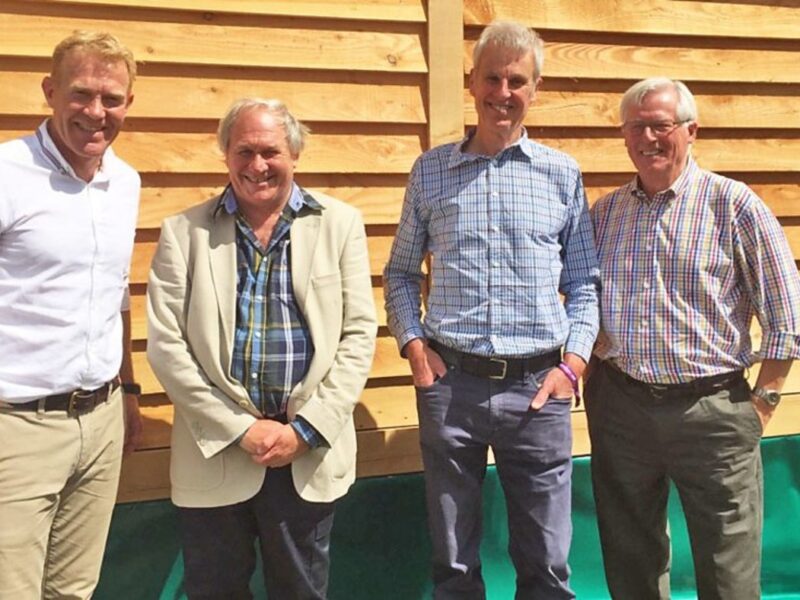
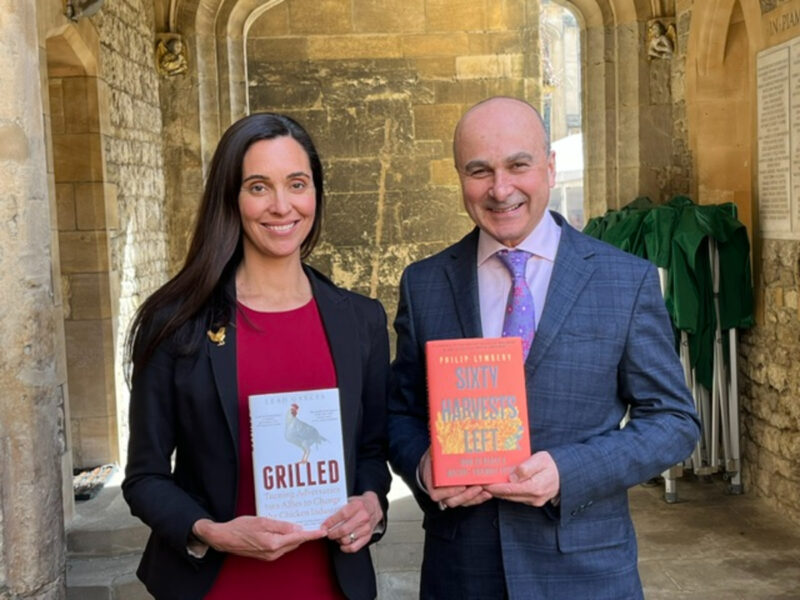
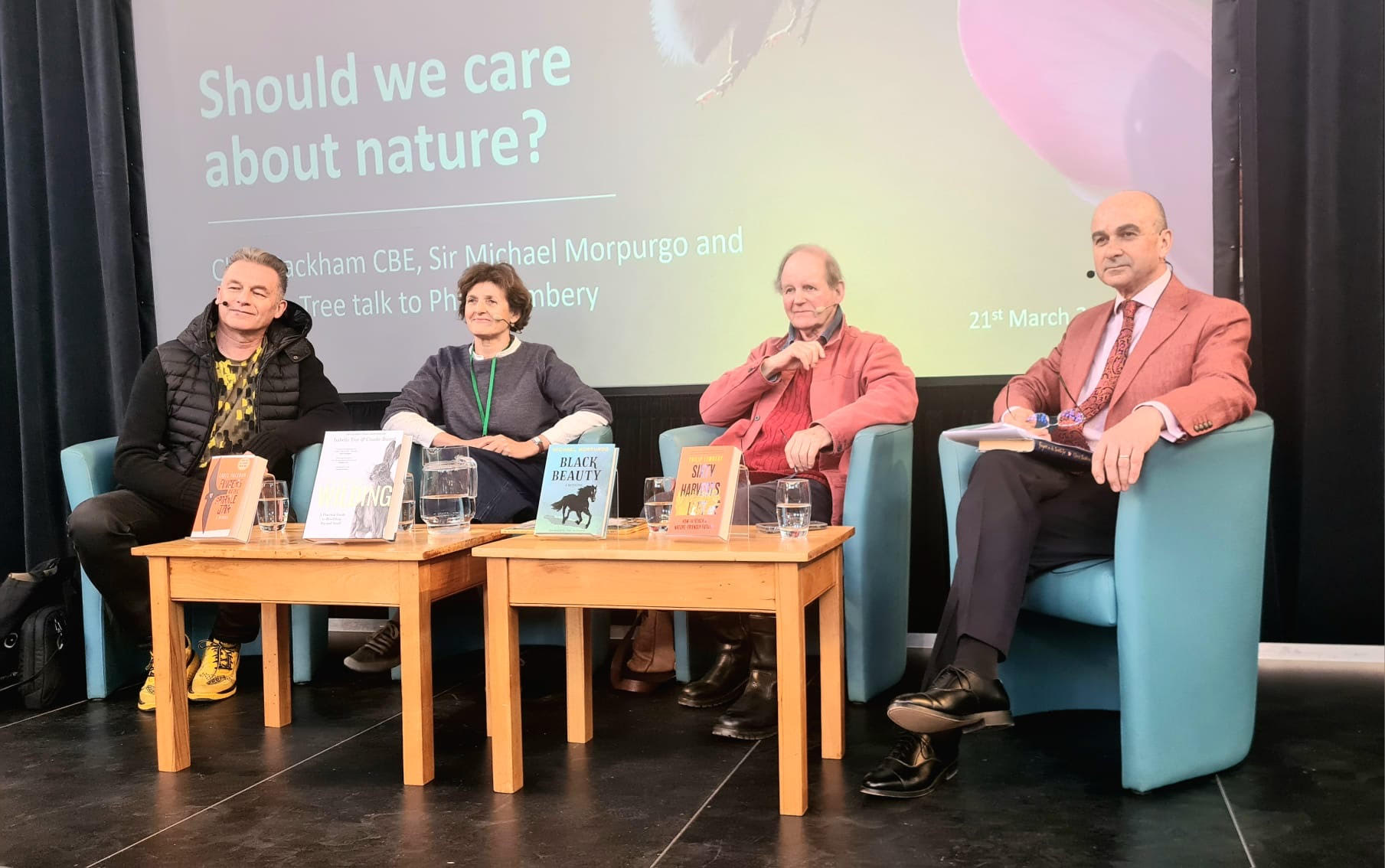
Last weekend, BBC wildlife presenter and animal activist Chris Packham CBE, children’s author and Farms for City Children charity founder Sir Michael Morpurgo, author and conservationist Isabella Tree from Knepp Rewilding and myself, took to the stage at The Oxford Literary Festival to discuss why we should care about nature when currently, a tree is worth more dead than alive.
Setting the Scene
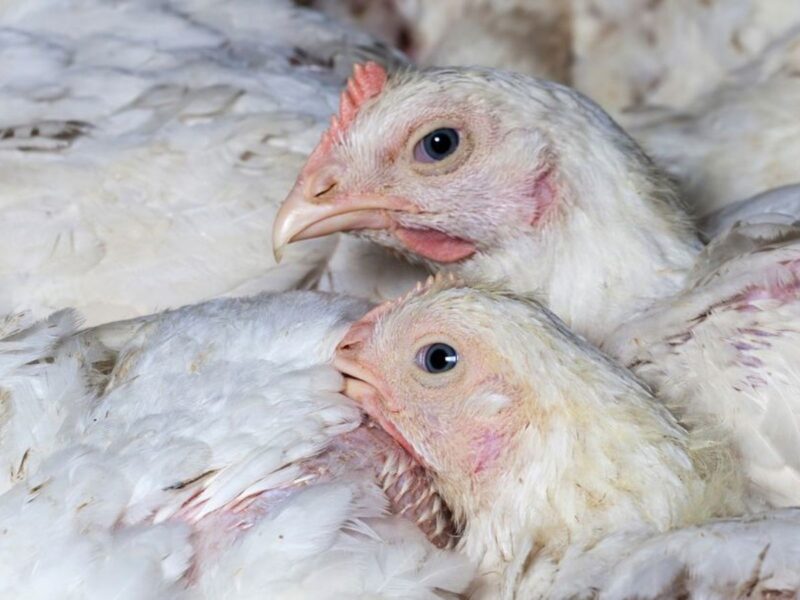
I began by reminding the audience that, in my lifetime, since the widespread adoption of factory farming, the world has lost more than two-thirds of all our wildlife. That industrial agriculture is undermining the very thing we need to produce food in the future: soil. Carry on as we are and we have just sixty harvests left in the world’s soil. No soil, no food. Game over.
Celebrating wildlife and letting farmed animals out of factory farms and back on nature-friendly farming, where they can enjoy fresh air and sunshine, is not only a good thing, but the right thing to do for all our futures.
Each panellist was asked – what does nature mean to you and why should we care?
Why Care
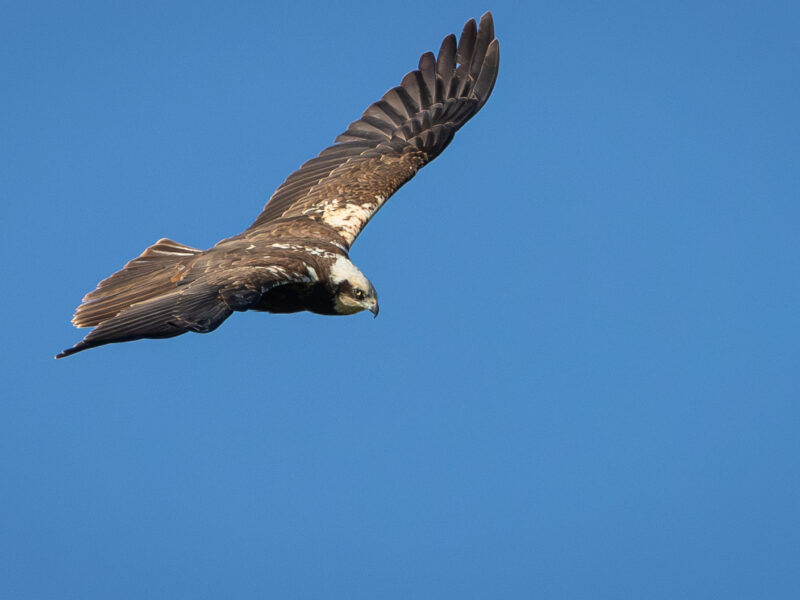
Isabella Tree spoke of the intensity of bird song at Knepp being so strong and loud that reverberations can be felt in one’s chest. How 25 years ago, the best decision she ever made was to turn their farm, with the worst farmland possible, into a rewilding haven for some of the rarest species.
”What we have come to understand is that something more profound has happened at Knepp and more important for our own survival and the life support systems on which we all depend – our soil is restoring, our flood plains are our beaver wetlands, we have a universe of creatures and biodiversity which is the basis of life on Earth. And even more exciting, we are understanding how carbon is stored, so we’ve gone from a wasteful, polluting industrialised system to being a significant carbon sink.
We are facing a crisis. Nature and our food supply are interconnected, it is not about saving one or the other, unless we stop plundering nature, in years to come we won’t be able to feed ourselves, so forget about human health, well-being and that bird song and walking out on a Spring morning, we won’t be here.”
Michael Morpurgo said simply that we should care about nature because it is part of us and we are part of it. How education is critical in order to link the younger generation to the natural world. It’s all very well to write about nature but it’s not enough, there has to be access for young people to enjoy nature and feel responsible for it.
”You have to introduce young children to these things…it’s about connection.
The earlier you can get them the better – to think, to stand and stare, to think about what it is they are eating, and teach them about the importance of humane and sustainable farming, that’s the way it’s going to change. We want everyone on our side because we need everyone to recognise it’s our world and we have to look after it.”
Chris Packham spoke about how nature offered him solace and respite in a world that is increasingly difficult to inhabit: “Nature supplies me with an enormous resource for my mental and physical health. A woodland is where I feel most comfortable and we’ve learnt that the closer we get to nature, the better it is for our recovery and respite. The orchestration of sound made by trees is something truly amazing. It is a connection that is irreplaceable and unsurmountable, that is what nature means to me. Something so perfect and so beautiful that it is beyond comprehension”.
Remember Sir David Attenborough’s Words
I leave you with Chris Packham’s last words when asked what he’d like the audience to take away: ”Cast your mind back to COP 26 and when the greatest advocate of life on Earth, Sir David Attenborough, gave an address to all the world leaders. He spoke in a profound, truthful, clever, calculated and deliberate fashion. I saw David a couple of days later and asked him how he felt it went. And he said sadly, ‘I think they listened to what I had to say but the problem Chris, is that they woke up the following day and had forgotten all of it’. That really hurt me – here we have a prophet, a scientist, our greatest communicator with a finger on the pulse of life and they forgot his words. So, my message to this audience is please do not forget what you have heard today, and when you get up tomorrow morning be a part of fixing it”.
Heartfelt thanks to Chris, Issy and Sir Michael for participating in such an amazing engaging discussion. It was a real privilege to be part of it.
All grateful thanks also to Sally Dunsmore and her team at the Oxford Literary Festival for so kindly hosting us.
Please watch the full discussion here: https://www.youtube.com/watch?v=YVwH6kd9DWU