
THE HIDDEN CRUELTY ON OUR PLATES
Peter Stevenson OBE, Compassion in World Farming’s Chief Policy Advisor, makes a heartfelt plea to end the cruel factory farming of animals.
Peter is a qualified solicitor and received an OBE in October 2020’ for “services to farm animal welfare”. He has worked in the animal welfare movement for over three decades, and played a leading role in winning the EU bans on veal crates, battery cages and sow stalls as well as a new status for animals in EU law as sentient beings.
A colleague recently said that we are in an animal welfare crisis. She’s right.
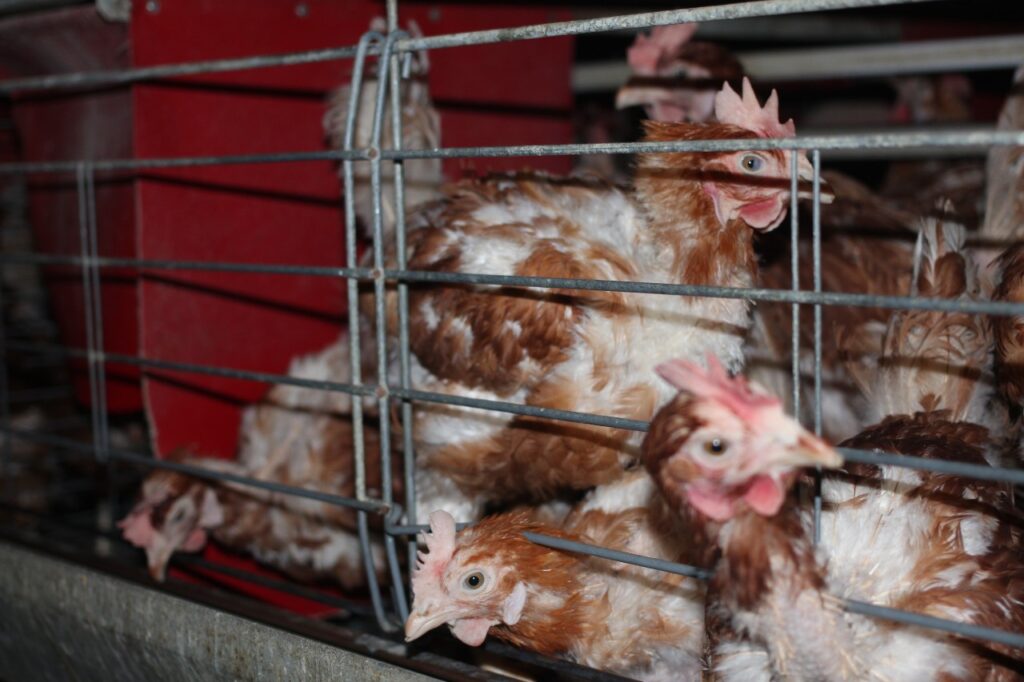
Factory farming rides roughshod over the widely-recognised key principles that govern how farmed animals should be treated.
It ignores:
- The Five Freedoms – factory farmed animals are clearly unable to express their normal behaviours nor are they free from pain, fear, distress and discomfort.
- The principle that good welfare involves not just avoiding negative factors but also giving animals opportunities to have positive experiences – fresh air, daylight, the warmth of the sun on their backs, the feel of the breeze moving across their bodies, play, pleasure, confidence, a sense of control, caring for their young, being raised by their mothers.
- The Farm Animal Welfare Council’s recognition that ‘welfare concerns individual animals within herds and flocks’ and ‘to be concerned about welfare is to be concerned about the quality of life of individual animals’. Each animal is different, each with their own strengths and vulnerabilities.
- The principle that animals must have a life worth living with an increasing number having a good life.
Don’t get me wrong. Great strides have been made. In several jurisdictions barren battery cages, veal crates and sow stalls have been banned. And yet, despite this, most factory farmed animals continue to live lives of extreme deprivation.
If we are to use animals for food, there must be a new bargain with these animals. And because we hold all the power, we must work hard to ensure the bargain is fair. We must make a commitment that we will farm animals to high standards of welfare and health that will never be constrained by economic or environmental considerations. I’d like to propose a new Charter, which should be enshrined in legislation, to govern how we treat farmed animals. Its key tenets should include:
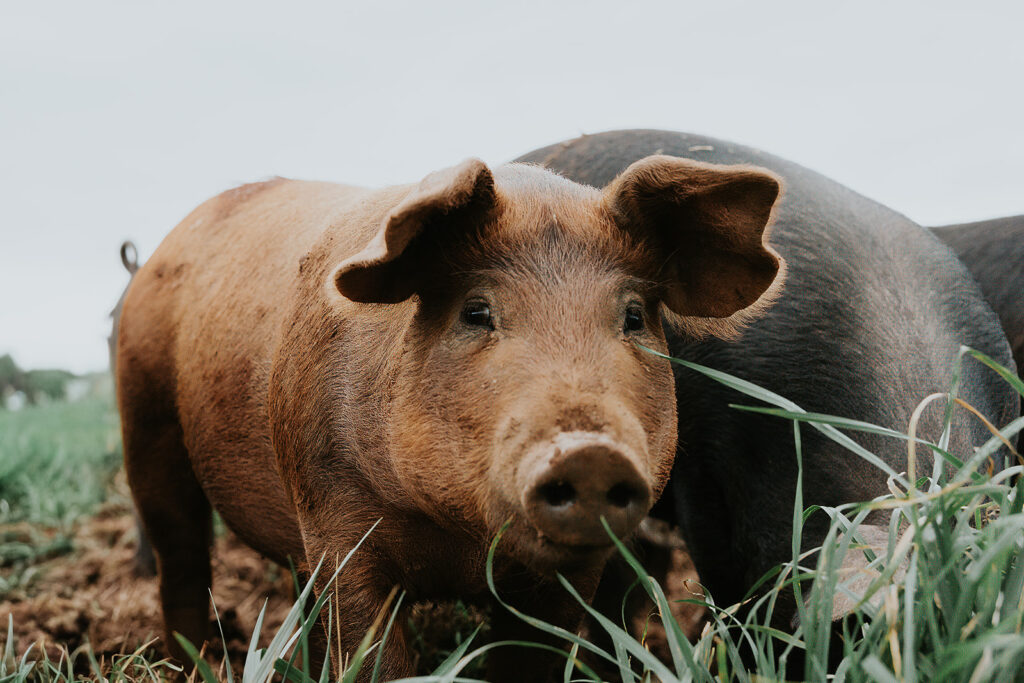
- Animals should be kept outdoors with appropriate shelter and shade or, if they are housed during winter or by exception, they should be kept in large barns with ample space, plenty of straw, natural light and effective ventilation;
- Husbandry systems must enable animals to express their natural behaviours;
- Genetic selection and other breeding technologies must not be used to achieve fast growth or high yields where this results in compromised welfare such as ill-health or pain;
- Systems should not be used that entail routine mutilations such as tail docking, beak trimming and castration;
- Systems should not be used that result in the production of unwanted animals such as male chicks in the egg sector and male dairy calves;
- Legislation should be taken seriously and strictly enforced whereas at present much legislation is simply window dressing and empty words designed – misleadingly – to persuade people that animal welfare is being properly catered for;
- Long distance transport should be ended. Animals should be raised on the farm where they are born or as close as possible to it and should be slaughtered near the farm where they are raised;
- The term ‘humane slaughter’ is another piece of window dressing. It allows people to think that animals are gently put to sleep rather like a loved dog or cat at the end of her of his life. The reality is far from this. Animals are hustled through slaughterhouses at great speed making it impossible to safeguard the well-being of individual animals. No humane ways of slaughtering pigs and poultry have yet been developed.
In the 4th Century St Basil of Caesaria wrote ‘May we realize that they live not for us alone, but for themselves and for Thee and that they love the sweetness of life even as we, and serve Thee better in their place than we in ours.’ Who are we to deny animals the ability to experience the ‘sweetness of life’.
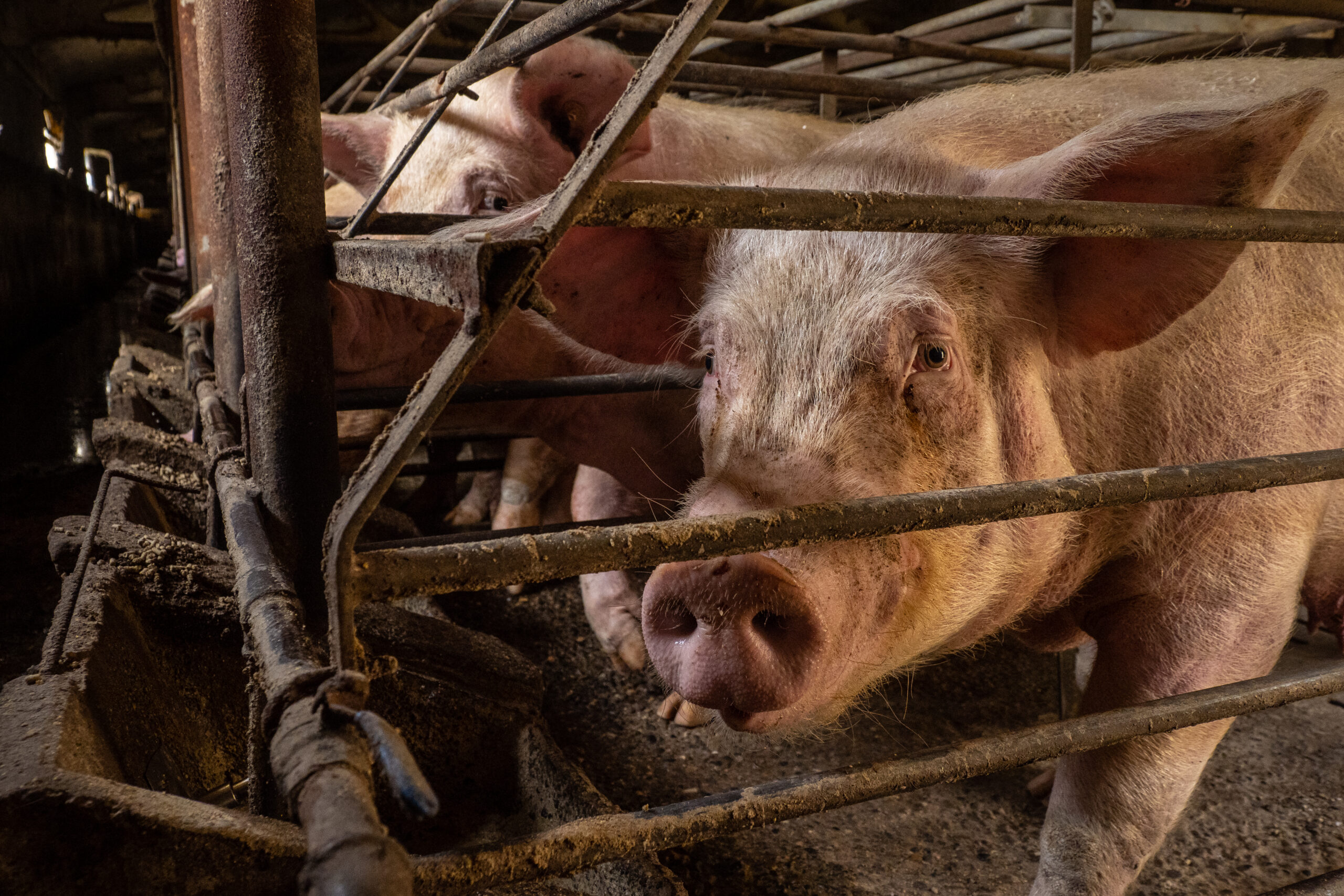
Main Image: EU sow stalls where many sows are so confined for the first 28 days of their pregnancy they cannot even turn around
| Credit: CIWF