
HONESTY IN THE SUPERMARKET AISLE – WHAT’S REALLY BEHIND THE FIGHT OVER FOOD LABELLING?


We trust what we see on supermarket shelves. But when it comes to how our food is produced, that trust may be misplaced. New evidence from a UK Government consultation shows that consumers overwhelmingly want honest, transparent labelling — yet much of what matters most to us remains hidden. An astonishing 99 per cent of citizen responses backed mandatory labelling on animal welfare standards, including whether food is produced above the legal minimum.
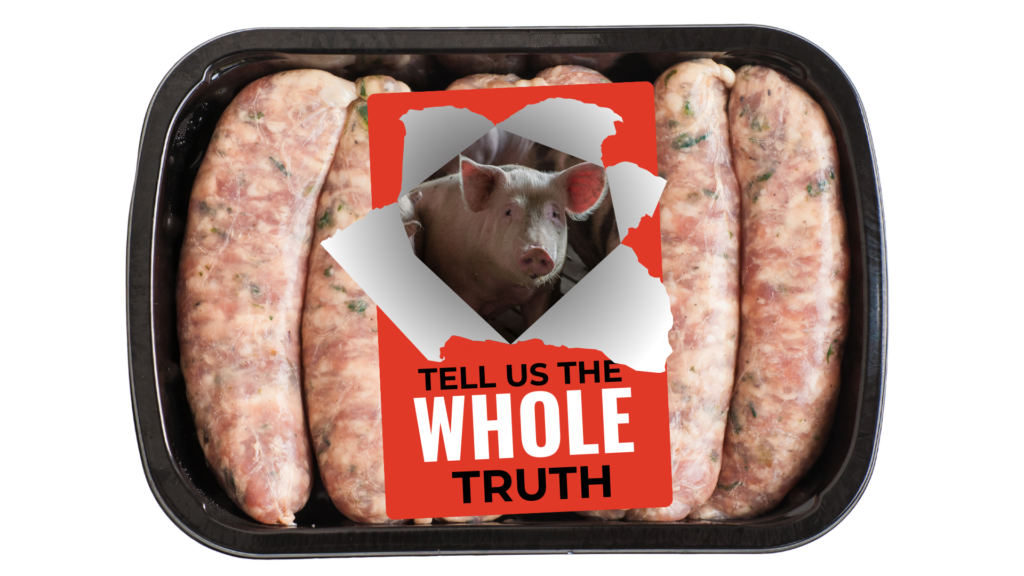
Hidden truth
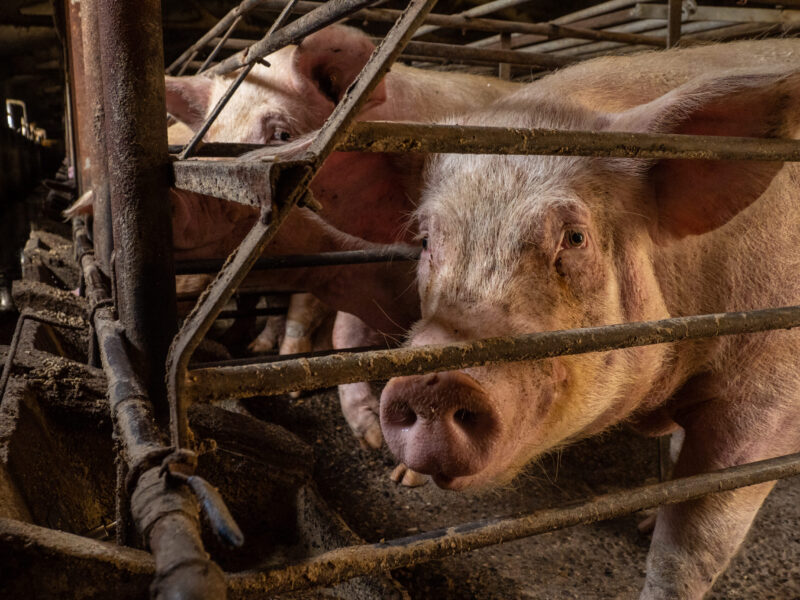
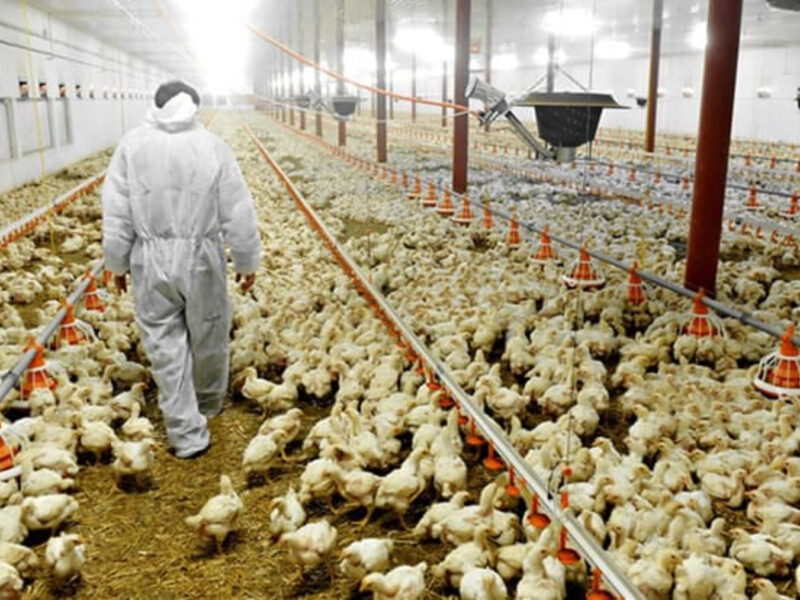
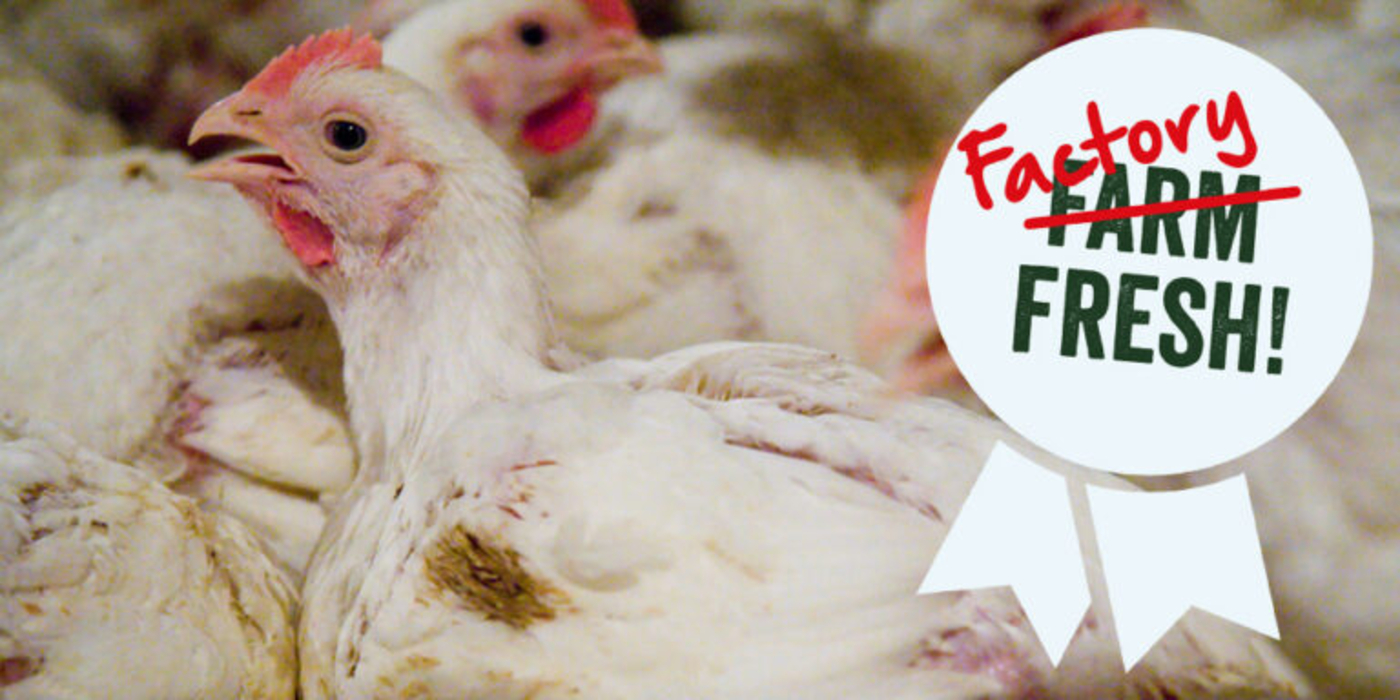
Yet, for all the talk of informed choice, many consumers are effectively asked to shop blindfolded, unable to distinguish between produce from animals that grazed in fields and those that spent their lives indoors, out of sight. Generic, meaningless phrases are often brandished across packaging – terms such as ‘fresh’, ‘farm fresh’ and ‘natural’ – when more appropriate slogans could be ‘raised in confinement’ or ‘reared unnaturally fast’ or ‘caged’. This undermines farmers who genuinely operate to high animal welfare standards.
This lack of clarity is no accident. The same Government consultation noted that those opposing mandatory method-of-production labelling — including many from the meat and dairy industry — argued that the current, largely voluntary system is sufficient. But if that were true, why do so many shoppers feel left in the dark?
Why it matters
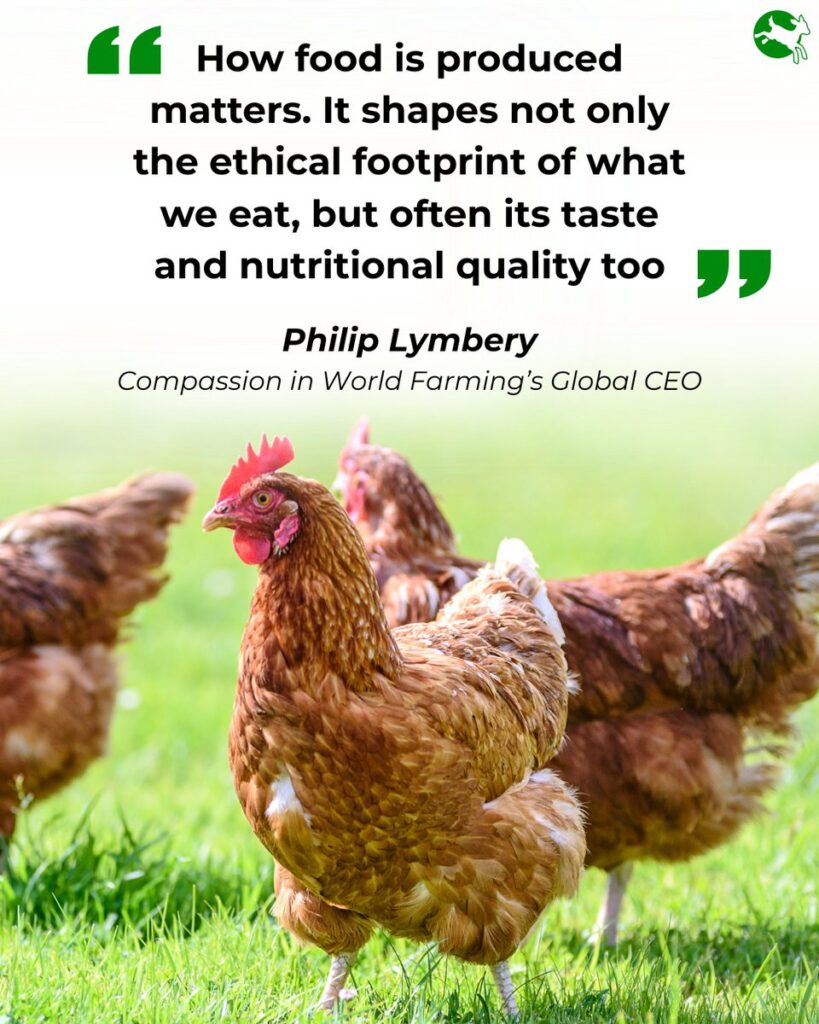
How food is produced matters. It shapes not only the ethical footprint of what we eat, but often its taste and nutritional quality too. Beef from grass-fed cattle, for example, can be markedly healthier than that produced in grain-fed systems. Yet these distinctions are rarely clear on the label. In too many cases, consumers simply do not know what they are buying.
I was reminded of this by broadcaster and naturalist Chris Packham, who told me if he were “King for a day”, the first thing he would change is food labelling. “If there were photographs of the conditions the animals are kept in,” he said, “it would change people’s shopping practices instantaneously.” It is a striking image — and a telling one. Transparency tends to shift behaviour.
Proof it works
We have seen this before. In 2004, egg labelling rules were strengthened in the UK and Europe to require clear identification of production systems. Battery eggs had to be labelled as “Eggs from Caged Hens”. The result was transformative. Faced with honest labelling, consumers voted with their baskets. Supermarkets and restaurant chains responded, and many have since removed caged eggs altogether.
Why should meat and dairy be any different?
Despite the precedent set by eggs, there is still no equivalent for most meat and milk products. Consumers are denied basic information about how the animals were raised.
That absence of transparency becomes all the more striking when you look at where the debate has focused instead.
Not helpful
In Europe, a telling argument has emerged — not about how meat and dairy should be labelled, but about how plant-based foods may describe themselves. The European Parliament has backed proposals to restrict the use of certain meat-related terms for plant-based products. Words like “steak”, “bacon” and “drumstick” could disappear from packaging, even when clearly qualified as meat-free.
At one stage, the proposals went further still, threatening bans on familiar names like “veggie burger” or “vegetarian sausage”. That more extreme position has since been abandoned. Even so, the direction of travel is clear: ever tighter control over how plant-based foods are described.
Milking it
We see a similar pattern already with “milk”. Under existing rules, that word can only be used for animal-derived products. Plant-based alternatives have been pushed into the linguistic margins — sold as “oat drink” or “soya beverage” rather than the terms most people actually use in everyday life.
This approach has been reinforced in the courts. Earlier this year, oat drink manufacturer, Oatly, lost a case against Dairy UK, meaning it can no longer use the phrase “post-milk generation” on its products.
All of this raises an obvious question: is this really about protecting consumers?
The evidence suggests otherwise – that shoppers are not confused by plant-based labelling. People understand what they are buying. If anything, restricting familiar language risks making it harder for consumers.
Consumers deserve better
Which brings us back to the bigger issue. While regulators and industry bodies focus their energy on policing the words used by plant-based producers, the far more important question remains unresolved: why is there still no mandatory method of production labelling requirements for meat and dairy products?
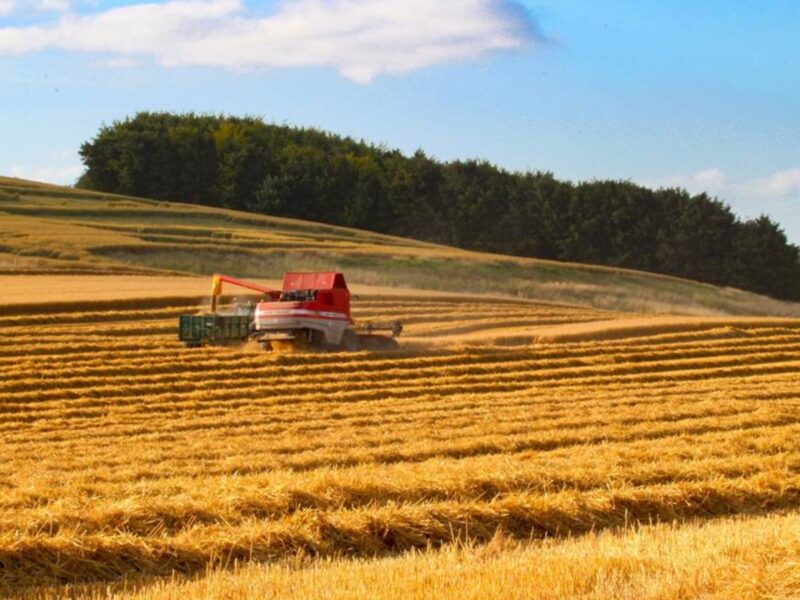
If clarity is the goal, then surely it should apply across the board. Consumers deserve to know whether the chicken, pork or dairy product they are buying comes from animals reared outdoors or confined indoors. They deserve labels that reflect reality, not marketing imagery of rolling green fields that may bear little relation to how those animals lived.
That is why mandatory method-of-production labelling matters. It would not tell people what to buy. It would simply ensure that consumers can make informed choices.
The egg sector showed us what happens when transparency meets public concern: change follows. Standards rise. Markets evolve.
If the meat and dairy industry is confident in its practices, it should have nothing to fear from honest labelling. But if it is not, then the case for reform becomes stronger still. Either way, the direction should now be clear. Honest labelling is not a burden. It is simply a sign of respect — for animals, for farmers who do better, and above all for the people standing in the supermarket aisle, trying to make the right choice for themselves and their families.
Note: This is a version of an article which was first published in The Scotsman on Friday 28th June, 2026
Main Image: Honest Labelling | Credit CIWF