
THE DIRTY SECRET BEHIND OUR RIVER CRISIS


Intensive farming, not sewage, is the biggest threat to our waterways – and it’s time for action
Nobody likes polluted rivers and everybody wants clean water. In these divided times, river pollution is one of the rare issues that brings people together. Politicians of all stripes have promised to clean up our waterways. Yet they’re not tackling the prime culprit.
Whilst the sewage scandal dominates the headlines, agriculture is actually the leading threat to our rivers. It shouldn’t come as a surprise. Most of the UK’s land is farmland, and so the majority of our rivers are impacted most by what happens on farms.
Farming’s Hidden Impact
In Scotland, pollution of water courses by diffuse agricultural activities affects more waterbodies than anything else, and that’s typical across the UK. Soil washing off farms and into rivers smothers fish spawning grounds. Chemicals and fertilisers spread on fields can harm rivers too.
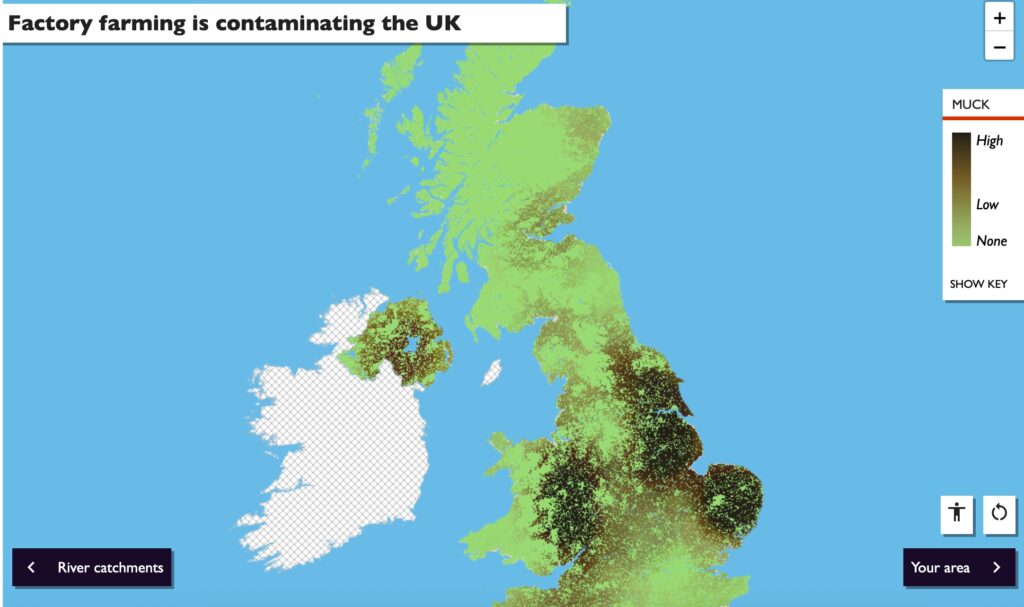
Factory farming is part of the problem. In places with a high concentration of intensive farms, too many animals are clustered in too small an area, creating more muck than the surrounding land can absorb. The surplus tends to wash into our rivers.
Last year saw the release of a map of the UK showing where industrial quantities of pig and poultry manure are located. The Muck Map should be as infamous as The Rivers Trust’s Sewage Map. It’s all poo-llution.
When Waste Becomes Pollution
The River Wye, flowing through Wales and England, is probably the most famous victim of agricultural pollution. It hit the news in 2020 when it turned pea green due to a gigantic algal bloom. Algal blooms stifle river life and are caused by a mixture of high temperatures, low flows and excess nutrients.
A major cause of the excess nutrients is the vast number of chickens in the Wye catchment: over twenty million!
Scientists at Lancaster University studied the flow of phosphorus in the Wye catchment and found the vast majority is imported in the form of animal feed. Most of it reaches the land in the form of manure. Manure can be a valuable fertiliser. However, when there’s more than is needed to grow crops, the excess becomes a waste product and pollution waiting to happen.
Due to the gross oversupply of manure around the Wye, Herefordshire Council categorised it as waste in their local waste plan. The National Farmers Union launched a legal challenge to this and lost in the High Court earlier this year. As a result of this landmark judgement, manure from intensive units can be categorised as waste and ought to be managed under far stricter conditions.
Fewer Birds, Cleaner Rivers
One way to shrink the manure mountain is to reduce the number of animals – the Wye’s biggest breakthrough this year is that chicken numbers have fallen significantly.
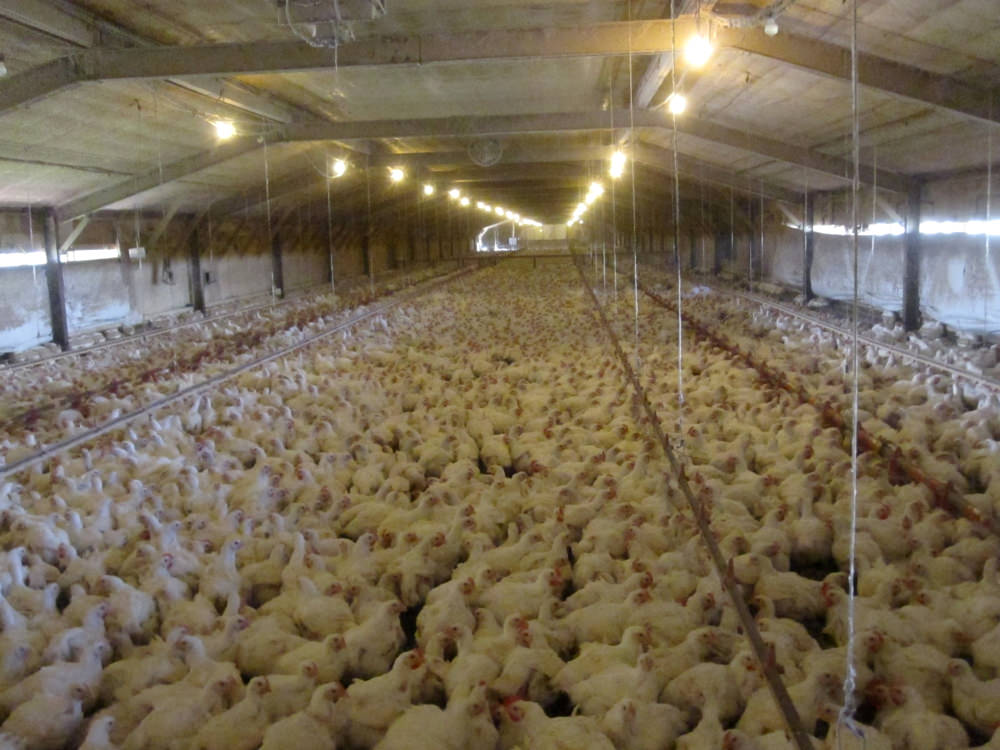
You might have missed this news because it’s barely been remarked upon, let alone celebrated – but it’s all thanks to the Better Chicken Commitment. This new animal welfare pledge gives chickens reared for meat a little more space to move around by keeping fewer birds in each building. Major supermarkets and brands have committed to this lower stocking density, driving some poultry suppliers to reduce the size of their flocks by around 20%.
For the Wye, that translates into a few million birds fewer in the catchment. This win for animal welfare is a win for rivers across the country.
To make this victory truly sustainable, we need to reduce consumer demand for chicken. We should eat less and better meat and reward farmers for higher-quality produce. If we don’t alter our appetites, we’ll just import more chicken from overseas and export the environmental cost elsewhere.
We shouldn’t ask our farmers to improve their welfare or environmental standards and then undermine them by bringing in lower-quality chicken. There has to be a level playing field.
Equally, if we don’t eat less chicken, then the number of chickens on the Wye and other rivers is likely to start rising again. Already some farms are applying for planning permission for extra buildings, so they can produce as many birds as they did before, albeit with slightly more spacious conditions.
New Beginning
We have a golden opportunity right now to reset farming and reduce the number of birds putting pressure on our environment. Let’s hope government ministers take notice of the Soil Association’s ‘Stop Killing Our Rivers’ report and halt the spread of intensive farming. This should go hand-in-hand with a food strategy that helps us all to make better choices.
Corporations also need to take responsibility for the waste in their supply chains.
Nearly 4,000 residents of the Wye and Usk catchments have joined a legal case accusing the area’s largest poultry company, Avara Foods, amongst others, of polluting the river and calling for compensation and remedial action. Avara Foods is now exporting the majority of its manure out of the Wye catchment.
Meanwhile, River Action has demanded chicken outlet Nando’s, account for what happens to all the manure created by its chickens and the company is now conducting an audit. Other brands might want to get ahead of the pack here before they find themselves subject to similar brand attacks.
Just as water companies are rightly on the hook for dumping sewage, big agribusinesses should be forced to clean up their act. If the government fails to stop major polluters, our rivers will be doomed to continued decline and that will be an unforgivable betrayal of what we all want: clean water and thriving rivers.
Note: This is a version of an article that was first published in The Scotsman on Friday 12th December, 2025
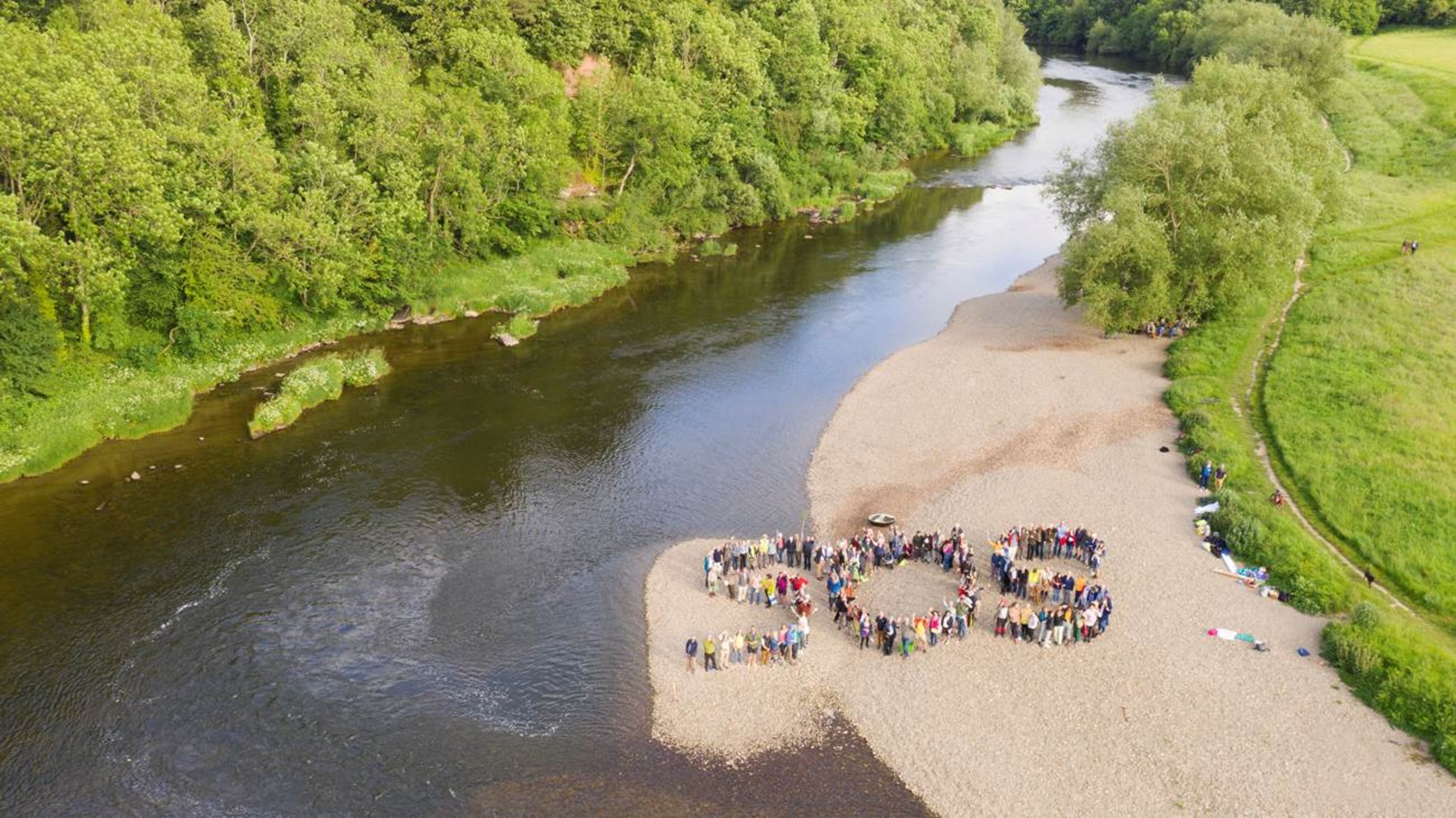
Main Image Credit: Eamon Bourke, Friends of the River Wye.