

THE DIFFERENCE BETWEEN FARMING AND FACTORY FARMING


The debate sparked by Chris Packham’s recent TV remarks has shone a light on a distinction that often gets lost: the difference between industrial factory farming and the many farmers working with nature, animals and the land.
The recent exchange between Chris Packham and Jeremy Clarkson has generated plenty of heat, but it would be a mistake to lose sight of the substance behind the headlines.
Television programmes such as Celebrity Gogglebox inevitably reduce complex issues to a few seconds of conversation. Yet beneath the brief exchange lies an important truth about the way much of our food is produced.
When Chris Packham described intensive agriculture as dominated by monocultures, heavy chemical use and animals confined indoors, he was highlighting a reality that exists across large parts of modern industrialised farming. It is a reality I have seen first-hand and spoken about to audiences around the world.
At the same time, it is important to be clear about what is being criticised.
This is not a criticism of all farmers. Far from it.
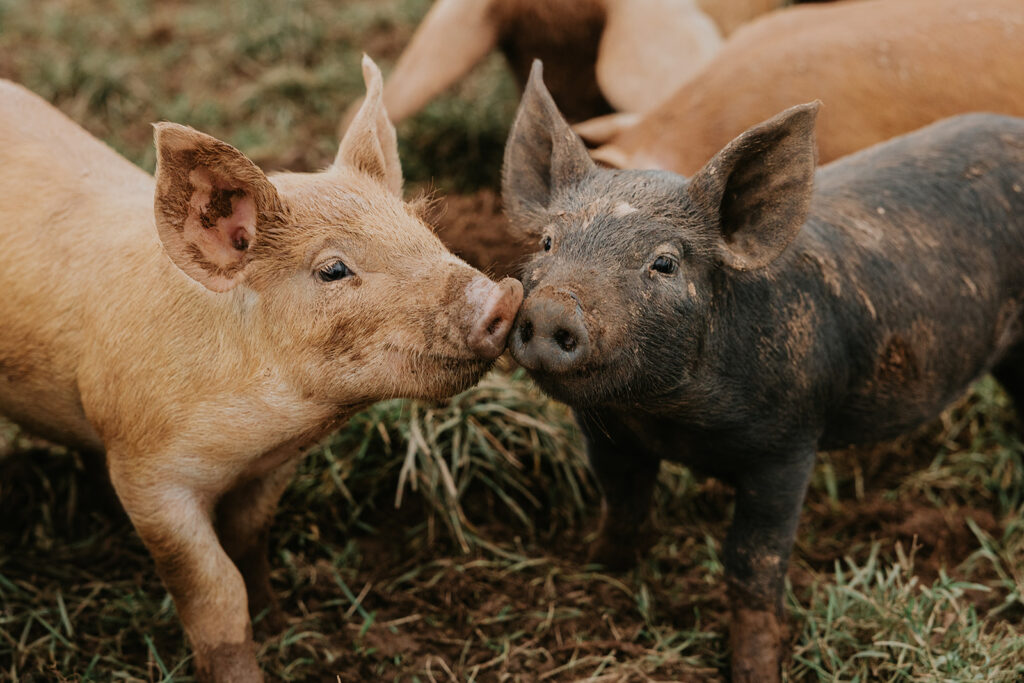
Across the country, there are farmers who are working with nature rather than against it. Farmers who keep animals outdoors, restore wildlife habitats, nurture healthy soils, reduce reliance on chemical inputs and produce food in ways that benefit animals, people and the environment alike. They deserve recognition and support.
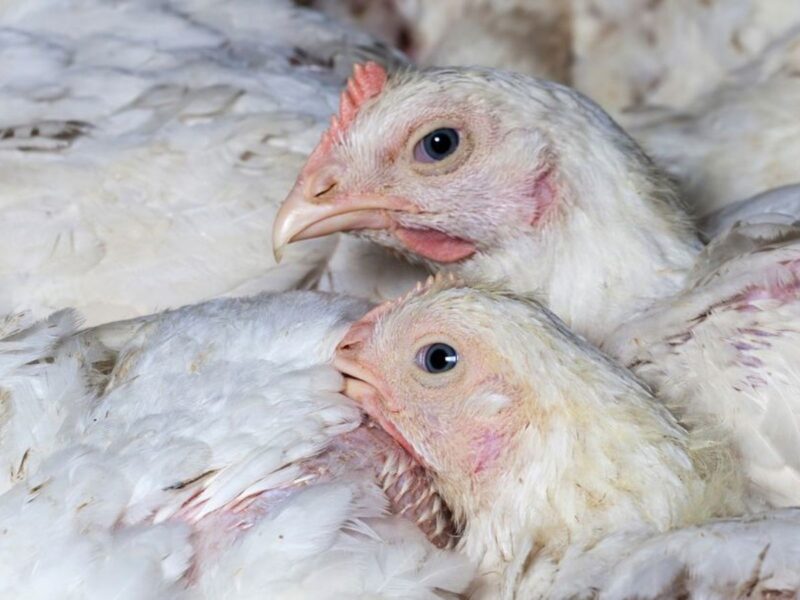
The problem is factory farming: systems that concentrate thousands of animals indoors, disconnected from the land, and that often depend on feed crops grown in vast monocultures. These systems are rarely visible to the public. Indeed, they are frequently hidden behind labels and imagery that evoke a nostalgic vision of farming, while the reality bears little resemblance to the farmyards of children’s storybooks.
This is not about being anti-farmer. It is about being honest regarding the differences between farming systems. Some are part of the solution to the challenges facing nature, climate and animal welfare. Others are driving the problem.
The farmers pioneering higher-welfare, nature-friendly approaches should be celebrated. They show that producing food and stewarding the countryside can go hand in hand.
Rather than arguing over personalities, we should focus on the future of farming itself, and on supporting the farmers who are proving that a better way is possible. If we want thriving wildlife, healthy food and high animal welfare, the farmers leading that transition deserve our backing. Now, that’s where the real common ground lies.
Main Image: Sow in farrowing crate | Credit: CIWF