
Fantasy Farming: The farms we imagine and the reality we rarely see


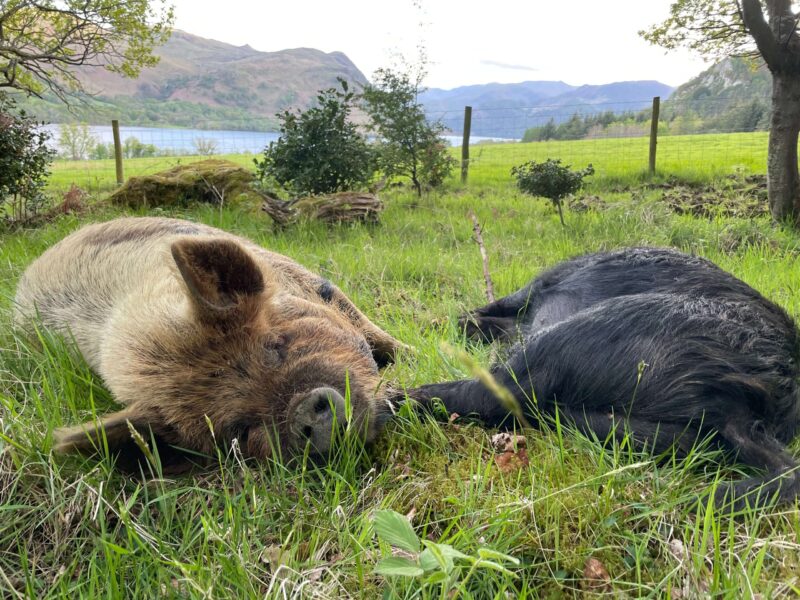
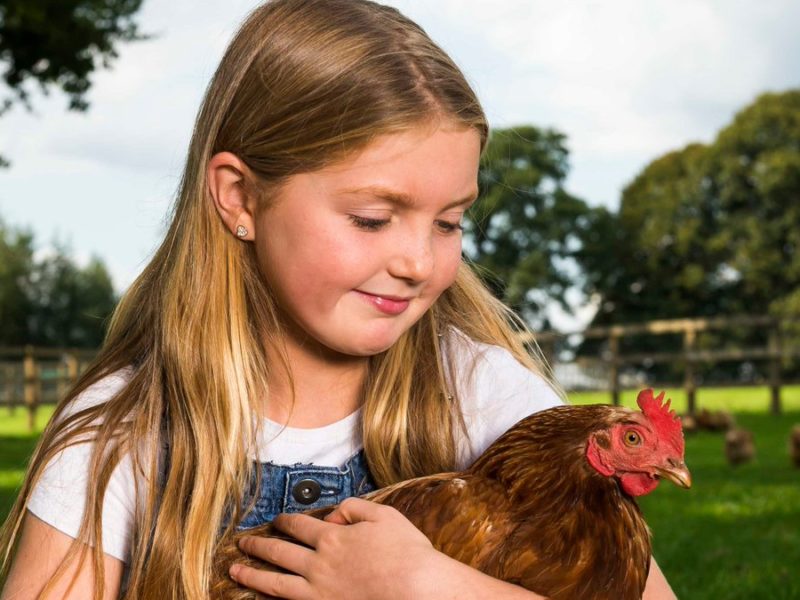
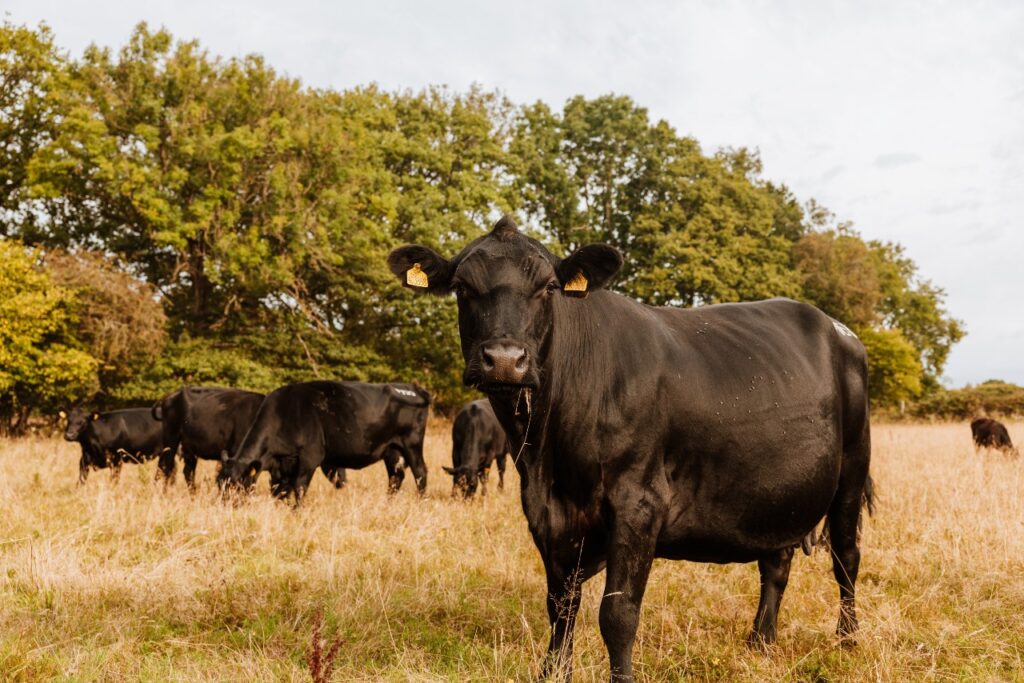
When a duckling or gosling is born, they will imprint onto the first moving thing they see, hopefully their mother, and then follow them everywhere. If they see a human first, they’ll imprint onto them instead. Such is the power of first impressions. Similarly, the first images we see as children are deeply formative. Just think of the picture books full of bucolic images of small family farms. These tend to show mixed farms with a few chickens pecking the grass, alongside the odd sheep, cow and pig roaming happily in a field.
Children sing ‘Old MacDonald Had a Farm’ whilst absorbing such comforting images. Usborne’s Farmyard Tales featuring Poppy and Sam is a classic of the genre, depicting the idyllic Apple Tree Farm, with its variety of animals alongside Rusty the dog, and a cute yellow duck to spot on every page. Julia Donaldson’s best-seller ‘What the Ladybird Heard’ illustrates a similar farm, where a handful of animals talk to each other to solve a crime.
This pleasant image of farming is embedded deep in our subconscious, yet all too often it couldn’t be further from the reality of most intensive animal farming today.

The meat industry happily exploits this nostalgic vision, often labelling its products with images of green fields, whilst hiding away the true picture of animals confined indoors. Our shopping habits, it seems, are built on fiction.
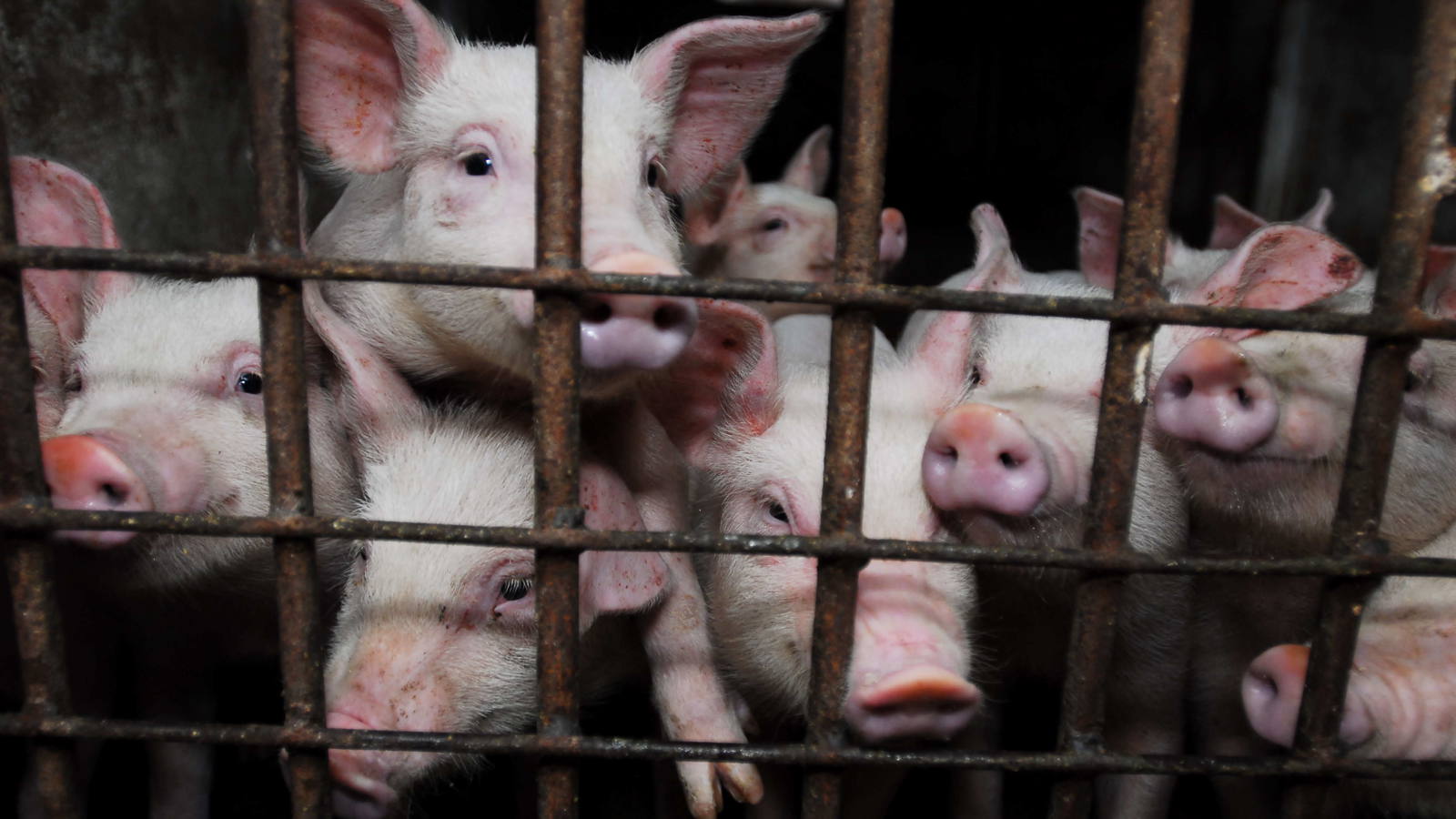
I’ve travelled the world seeking to bring greater honesty into the debate. Perhaps unique amongst travelogue-style writers, I’ve made it my business to see the worst of farming as well as the best. I’ve come face to face with the cruellest realities of animal confinement. I’ve looked into the eyes of a trapped pig. I’ve seen her desperation and fear. I’ve reported on this many times and for many animals. Yet I still find it hard to get others to see their conditions and speak out about them.
TV versus reality
Chris Packham recently called for a more honest picture of farming on Celebrity Gogglebox. Watching the opening credits to Clarkson’s Farm, he said they portrayed “an idealistic view of a farm and it puts the wrong idea in people’s minds”. He was referring to the fact that in most farms, “loads of the animals are indoors” in grim circumstances.
Clarkson hit back, saying Packham should have raised his concerns when he visited his Diddly Squat farm years before, and the spat descended into a media furore.
But there was a serious point at stake – the difference between farming and factory farming.
Both Clarkson and Packham were right. Clarkson doesn’t have any intensive units housing pigs or chickens on his farm, so he wasn’t misrepresenting his own business.
At the same time, it’s fair for Packham to observe that much television coverage of farming contributes to a collective delusion. Viewers are rarely shown that most chickens and pigs are kept in conditions that many of us would find objectionable if we were forced to confront them. It leaves a significant gap in our picture of modern farming.
Cage ban myth
Earlier this year I encountered that disconnect first-hand at the Hay Literary Festival, where I was discussing the future of farming with farmer and Countryfile presenter Adam Henson, businesswoman Deborah Meaden, and presenter Sean Fletcher.
I have enormous respect for Adam, particularly his championing of rare breeds, and we share much common ground about the need for nature-friendly farming. That made what happened next all the more revealing.
When the subject of cages came up, Adam’s understanding was that they had been banned. I pointed out that while the old barren battery cage has gone, laying hens can still legally be kept in so-called enriched cages, while many mother pigs are confined in farrowing crates where they can’t turn around.
It was a small exchange, but to me a telling one. If even someone immersed in British farming can believe cages have disappeared, perhaps we shouldn’t be surprised that so many shoppers do too.
Spotlighting the truth
As citizens, we now have an opportunity to turn the reality of farming into the one we imagine.
The Scottish government has held a consultation on phasing out the use of cages for laying hens and promised to consult on phasing out farrowing crates for pigs too. Last year, Minister for Agriculture Jim Fairlie hosted a roundtable in the Scottish Parliament to discuss moving away from farrowing systems.
In England, the government’s new Animal Welfare Strategy promises consultation on phasing out cages in farming and a move away from the horrendous practice of using carbon dioxide to slaughter pigs. Its ambition is that as many farmed animals as possible should experience “a good life and not just a life worth living”.
In Brussels, the EU Commission has committed to bringing forward legislation to end cage farming, with the first proposals expected by the end of the year.
None of this means abandoning that childhood vision of animals outdoors, green fields and farming working with nature. Quite the opposite. Turning ambition into reality can create the kind of farming that does right by animals, consumers, and the countryside. That means governments turning promises on cages and crates into action. It means television showing us not only the farms we would like to believe are typical, but those normally hidden from view. And it means giving shoppers an honest picture of how their food was produced. As children, we were given a beautiful image of farming. As adults, surely we deserve the whole picture.
Note: This is a version of an article that was first published in The Scotsman on Friday 30th October, 2026
Main Image – Credit: CIWF