

THE TRANSFORMATIVE POWER OF ANIMALS


Why our connection with animals matters more than ever
Little Nehemiah Turner cried when he left the animal rescue centre. The young boy from Florida had spent time reading aloud to Auggie, a rescue dog waiting for a new home. It proved a deeply emotional experience. So much so that, two years later, Nehemiah has devoted more than 100 hours to reading to dogs at the shelter.
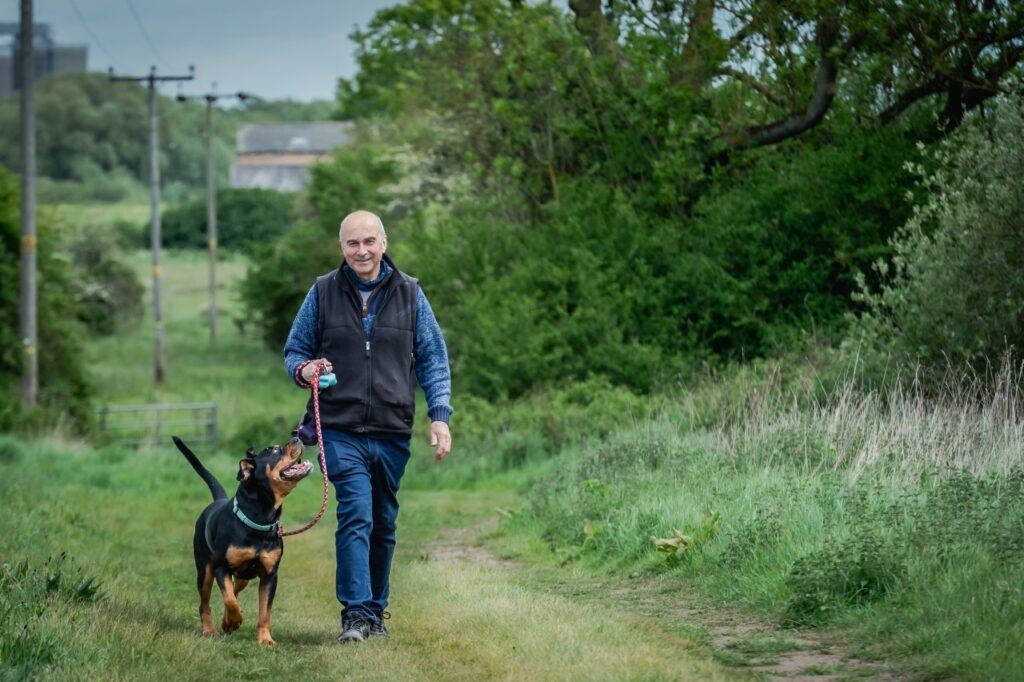
At first glance, it might seem a curious thing to do. As the proud companion of a rescue dog named Bruce, I’ve never had the impression that he longs to hear a chapter of a good book. A walk across the fields, a game of tug, a belly rub or the occasional treat are much more to his liking.
Yet perhaps the point isn’t whether the dog enjoys the story. Perhaps it is what happens to us when we take the time to sit quietly with a vulnerable animal, expecting nothing in return.
In a world that constantly urges us to move faster, scroll further and focus on ourselves, animals have a remarkable ability to draw us out of our own concerns. They teach us patience. They teach us attentiveness. Above all, they teach us empathy.
Bruce has taught me this lesson many times. Rescue dogs seem to possess an extraordinary capacity for trust. Whatever hardships may have shaped their early lives, many find a way to open their hearts again. In earning that trust, we often find ourselves changed too. We become more patient, more observant, more willing to live in the moment. A dog doesn’t care about our status, possessions or social media following. What matters is whether we show up, pay attention and treat them kindly. Those are simple lessons, but they are ones that many of us would do well to relearn.
The Jacksonville Humane Society recently recognised Nehemiah’s efforts, praising him not only for helping homeless animals, but also for inspiring others to see the difference one person can make. I suspect the dogs aren’t the only ones whose lives have been changed by the experience.
Compassion and Connection
Stories like this are not uncommon. My friend Carl Safina has written movingly about nursing an injured screech owl back to health during the Covid pandemic. What began as an act of care became something deeper, a reminder that our lives are intertwined with those of other creatures.
Similarly, Chloe Dalton’s bestselling memoir Raising Hare tells the story of rescuing a tiny leveret abandoned in a field. Knowing nothing about wild hares, she embarked on a journey that opened her eyes to the beauty, mystery and fragility of the natural world.
Then there is Teddy, the miniature therapy horse who has spent years bringing comfort to children, residents of care homes and people facing difficult times across Scotland.
Each story is different. Yet they point to the same truth: when we form meaningful relationships with animals, we often discover something about ourselves.
The Ethical Question
Animals enrich our lives in countless ways. Scientific research continues to reveal the depth of their intelligence, emotions and social lives. But long before scientists began documenting animal sentience, many of us already knew it instinctively. Anyone who has shared their life with a dog, cat, horse or other animal understands that they are not objects or possessions. They are individuals with personalities, preferences and feelings of their own.
And once we recognise that, difficult questions inevitably follow.
If animals can comfort the lonely, inspire children and help reconnect us with nature, how should we treat them in return?
For me, that question has shaped much of my life’s work.
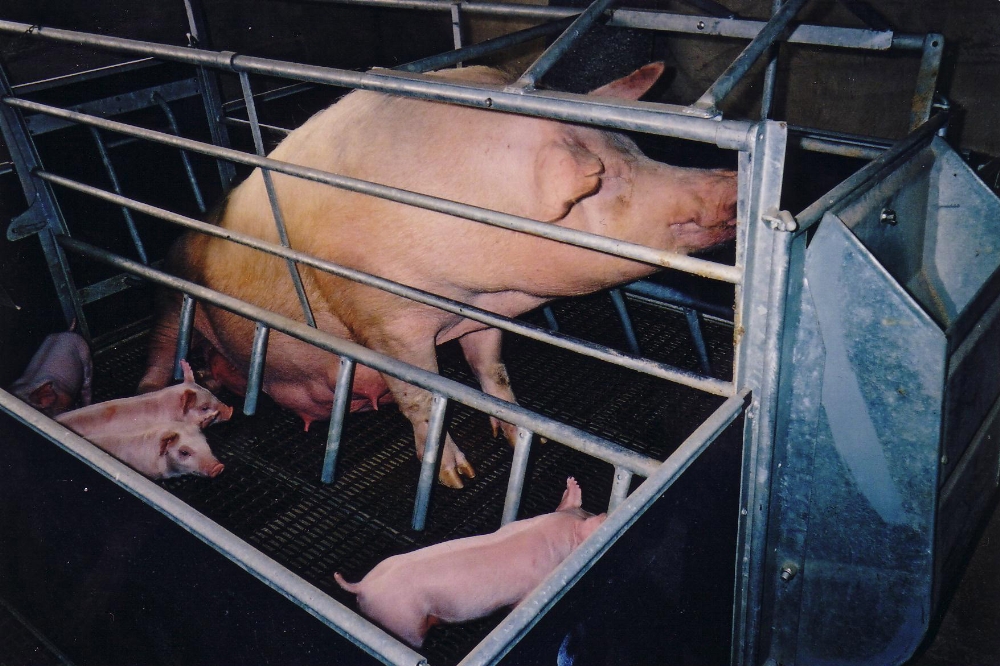
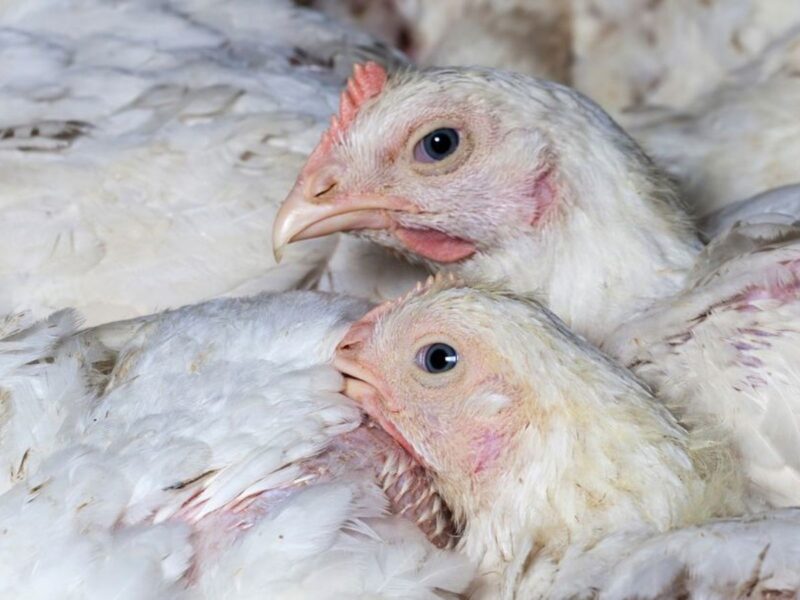
I have spent decades exposing the realities of factory farming: animals confined in cages and crates, denied the opportunity to express their most basic natural behaviours. These are sentient beings capable of feeling fear, frustration and pain, yet many spend their lives in systems designed primarily for efficiency and profit.
Sows confined in crates so narrow they cannot turn around. Hens caged and forced to live with about as much space as a sheet of printed paper. Millions of animals hidden from public view, reduced to units of production.
The contrast is striking. We celebrate the comfort a rescue dog brings to a child, yet often ignore the suffering experienced by the animals who end up on our plates.
Our growing understanding of animals should challenge us to close that moral gap.
The Greatest Gift
The good news is that attitudes are changing. More people are questioning how food is produced. More farmers are adopting higher-welfare systems. More citizens are speaking up for animals and nature.
But perhaps the biggest change begins much closer to home. It begins with a child sitting quietly beside a nervous rescue dog. It begins with someone caring for an injured owl or an orphaned hare. It begins with taking the time to notice that the creatures with whom we share this planet are not so different from us after all.
In an age of screens, algorithms and endless distraction, animals remind us of something essential. They reconnect us with the living world. They awaken our capacity for compassion. They encourage us to look beyond ourselves.
Those qualities matter, not only for animals, but for society as a whole.
Because when we learn to care for the vulnerable, whether human or non-human, we become better versions of ourselves. And that may be one of the greatest gifts animals have to offer.
Note: This article was first published in The Scotsman on Friday 2nd October, 2026
Main Image Credit: RichardDunwoody/CIWF