
A RIVER’S RIGHT TO BE A RIVER AND WHY IT MATTERS TO US ALL


From animal sentience to nature’s rights, a new idea is taking hold
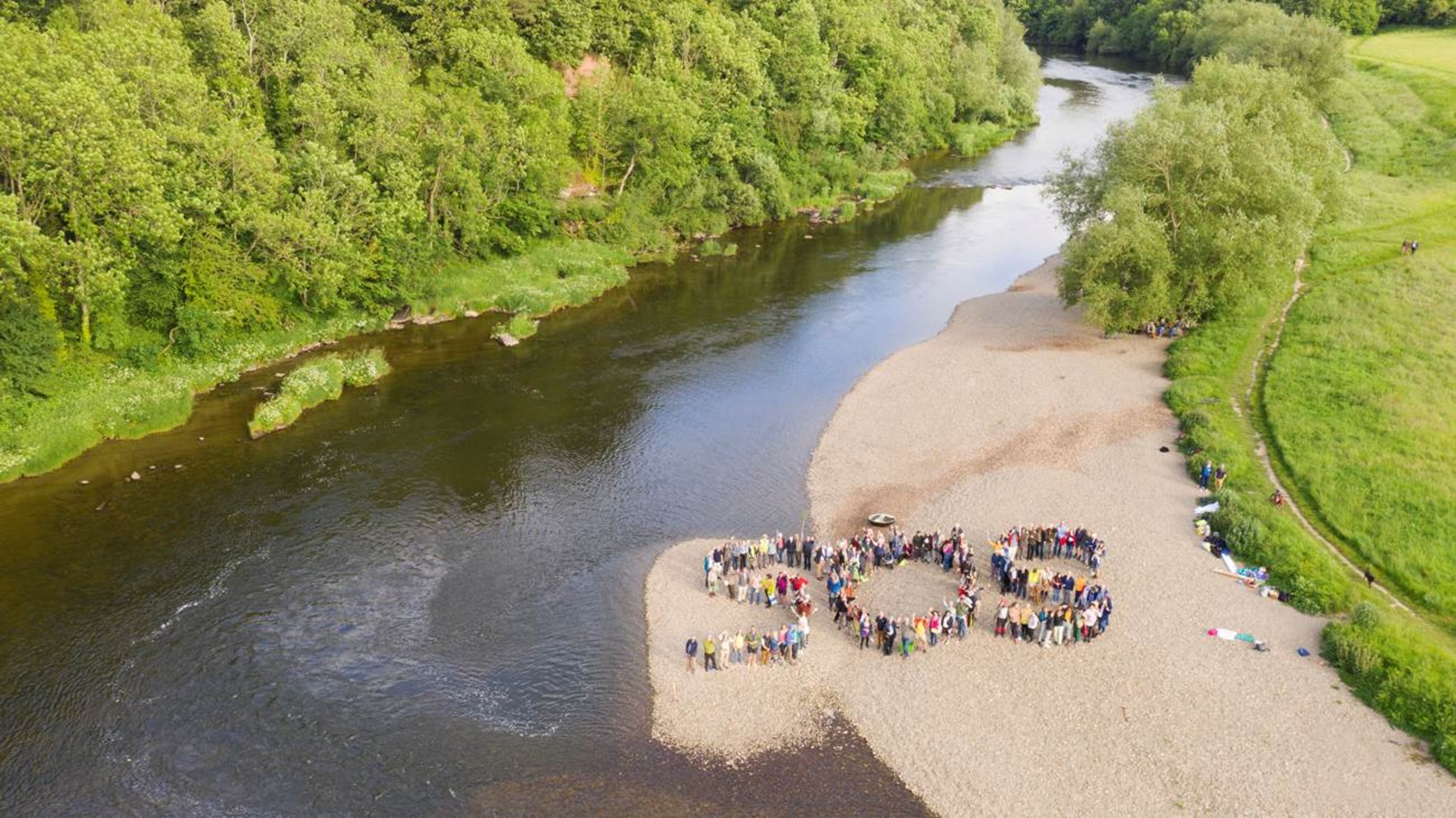
On a sunny Sunday, a crowd gathered on the banks of the River Wye to witness an extraordinary spectacle. A towering puppet Goddess of the Wye presided over a ceremony whereby councillors from four different councils, the Future Generations Commissioner for Wales, and delegates from organisations including the Bannau Brycheiniog National Park all signed the Charter for the River Wye.
This was a landmark moment for the Rights of Nature movement in the UK.
The Charter recognises the River Wye not merely as a resource to be managed, but as a living entity with intrinsic rights: the right to flow, the right to biodiversity, the right to be free from pollution, the right to be supported by a healthy catchment, the right to regenerate, and the right to representation.
Global inspiration
The Charter has been inspired by the leadership of indigenous peoples around the world and their respect for nature. In New Zealand, for example, the Māori see all forms of nature as their kin and they have a saying, ‘I am the river and the river is me’.
In 2017, the government of New Zealand passed legislation which acknowledged the Māori’s conception of the Whanganui River as a river of sacred power, and they recognised the river as a legal person. They nominated two individuals to serve as the Whanganui’s official guardians to speak on behalf of the river. The river can now sue its polluters.
The idea of a river becoming a legal person might seem crazy, until you consider that we’ve already granted corporations legal personhood. Should the retail company Amazon have a higher status in law than the mighty Amazon river?
Wider view
Currently, our laws are anthropocentric, meaning human-centred. Our legal system protects nature for human ends – a serious limitation.
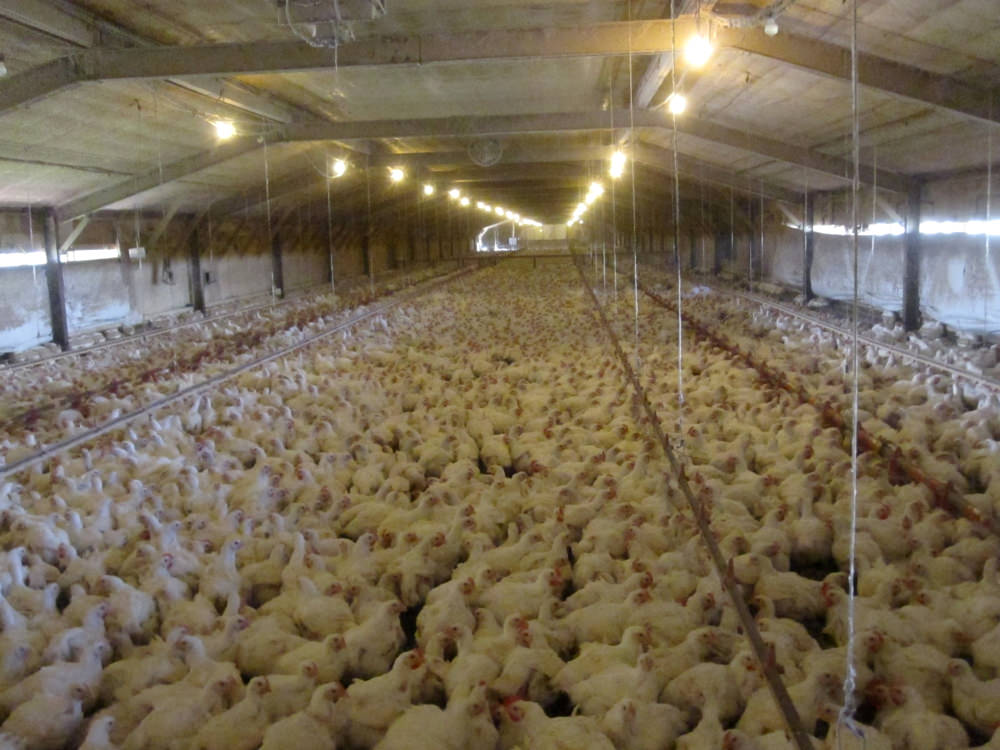
A major legal case on the River Wye against the largest poultry company in the catchment, Avara Foods, alleges the company has polluted the Wye with chicken manure from millions of birds.
That claim, which also targets Welsh Water for sewage pollution, is being brought by the law firm Leigh Day on behalf of over 4,500 local people, businesses, and river users seeking compensation for losses linked to the deterioration of the river. The claimants argue that the river’s decline has damaged livelihoods, harmed recreation, and is reducing quality of life. In effect, they’re using the laws available to try to secure justice for the river because the river itself has no legal right to bring a claim against its alleged polluters.
Ripples being felt
The Charter for the Wye doesn’t change this, yet. It doesn’t have full legal standing. It hasn’t come in through an act of parliament. But perhaps it can pave a path for the laws of the land to change.
As the writer Robert Macfarlane said, “change is rising from the river bank upwards, and change from below is almost always the most durable kind of change”.
In Scotland, the ripples are starting. The group, Love Our Tyne, is proposing a Charter of Rights for the River Tyne and similar calls have been made for the River Clyde.
Animals have feelings too
I see parallels with the EU acknowledging animal sentience in law. I was in the Netherlands in 1997 when the EU agreed that animals be formally recognised as sentient beings under a protocol of the Treaty of Amsterdam. Someone at the time asked me what it meant. I said it won’t change anything, immediately. But ultimately, it changes everything. Because it recognises how things should be. That animals aren’t objects – they are living, breathing creatures like us.
Change happens incrementally. With animals, people may recognise that an animal is sentient and take its welfare into account. At least, that’s what should happen.
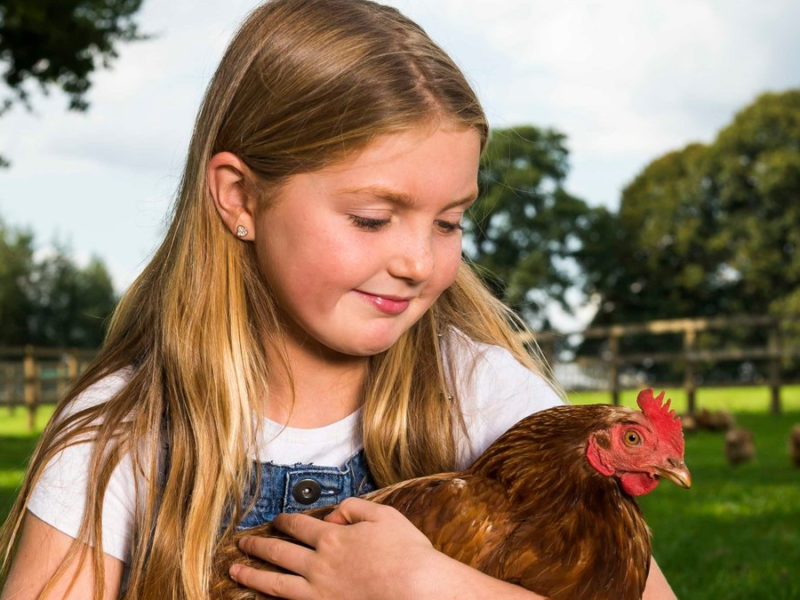
The next stage is really embracing the meaning of animal sentience – that’s about giving animals a life they’d aspire to, where they can be themselves and behave naturally. A chicken has a right to be a chicken and peck around outside, free from confinement. Similarly, a river has a right to be a river, free from pollution.
A brighter future
This vision has the potential to shape our wider culture. It’s a setting of intention and highlights where we’re falling short.

Whilst the Wye has become an emblem for the issues of industrial agriculture and river pollution due to having over 20 million chickens in the catchment, it’s also a beacon for how we can imagine doing things better.
When animals become the losers, when nature becomes the loser, we all lose. Yet if we protect our farmed animals and protect the river, we can achieve a better world for everyone.
Giving rights to animals and nature is a way to recognise that every breath we take, every drop we drink and every bite we eat comes from the living world. We are interconnected with all parts of our ecosystem and interdependent. A legal system that truly worked for humans would recognise that a more holistic approach is necessary, because properly protecting our environment is the best way to protect people.
Giving greater recognition to animals and nature is the first stage and maybe the easiest one. It feels intuitively right to say an animal is sentient and a river should have a right not to be polluted, so who could oppose it? The challenge now is to make these rights real by acting as if they are. Only our actions can bring these rights into being and make them manifest.
Note: This is a version of an article first published by The Scotsman on Friday 7th August, 2026
Main Image Credit: Eamon Bourke, Friends of the River Wye.