

WHEN THE MARSH HARRIERS DISAPPEARED


How This Year’s Record-breaking Summer Has Taken More Than Rain
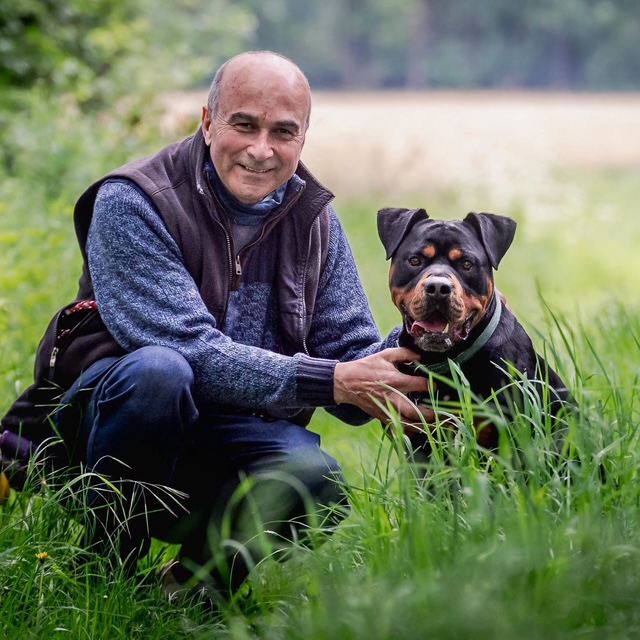
It’s times like these when we all need a lift. My wife, Helen, has been admitted to hospital for the 7th time in a year. Out on our walks, our rescue dog Bruce and I miss her greatly. I worry too. But living where we do in the heart of farming and countryside, means when things get tough, I can turn to my lifelong spark – wildlife.
Seeing special birds rising as they go about their business never fails to give me a lift. But one in particular takes my heart to a new level: the marsh harrier. Not a pretty bird, nor particularly rare these days, thank goodness. Yet it never fails to lift my spirits and has done ever since I was spooked by one as a small boy.
Which is why it’s so special living beside these specialists of fields and wetlands. We see the harriers daily. Over the reedbed, patrolling the tree-lined field. Sometimes over our house. Big birds clasping each other momentarily in the sky, passing food to each other. Or quartering the ground looking for an unsuspecting mammal, bird or amphibian for lunch.
Driven out
Only, with the weather as it’s been – drought – they’re not there. In all likelihood, their nest failed a few weeks ago. Drying reedbed means that eggs and chicks are more vulnerable to predation. Nest failure in a drying land likely led them to clear out and clear off. I’ve not seen them now for a month or more.
For Bruce and I, our walks are still peppered with memorable moments. A growing flock of geese mustering each morning in the newly harvested wheat field. A hobby falcon calling plaintively to his mate in an oak. The farmer buzzing by on his quad bike. We see sheep and cattle out grazing although, as our farmer neighbour laments, without rain, there’s not much grass anymore. There’s also no daily dose of marsh harrier.
On the positive side, we’re surrounded by regenerative farming. Maize has given way to wildflower mix and now to sunflowers. In the sweltering heat, I’m reminded how nature and farming must work together, as they increasingly do around me, to restore healthy crops and wildlife while helping stave off climate breakdown.
No going back
As it stands, this summer could be one of the coolest for the rest of our lives.
The signs are everywhere if we care to look. While Bruce and I scan an empty reedbed for the return of our marsh harriers, vast areas of countryside elsewhere have been going up in smoke.
In the Cairngorms, one of Scotland’s most treasured landscapes, wildfire tore through ancient woodland and heathland, forcing evacuations and leaving parts of the Caledonian forest blackened.
Hundreds of miles south, devastating fires tore through communities in Stourbridge, where 19 homes have been fully destroyed. Wildfires have swept through parts of France and Spain as whole regions bake under prolonged heat and drought.
What strikes me is not that these events are connected by some distant scientific theory. It is that they are connected by lived experience. The absent marsh harrier over a Norfolk reedbed; the scorched pines of the Cairngorms; the smoke drifting over Midlands’s streets; families watching flames advance through landscapes they love in France and Spain.
Raising the alarm
These are all different expressions of the same warning. The climate that shaped our farms, wetlands, forests and seasons is changing before our eyes. Unless we act together, with determination and at every level of society, the losses will not be confined to wildlife. They will reach into the fields that grow our food, the rivers that supply our water, and the communities we call home.
Farmers are already warning of food shortages. Reservoirs are shrinking. Crops are withering in fields that should be green at this time of year. Cattle and sheep farmers speak of dwindling grass and the prospect of buying in extra feed. These are not distant problems. They are early signals of a food system under growing strain.
Official recognition
They echo warnings contained in a UK government national security assessment, which identified food insecurity, water stress and climate disruption as risks not only to the economy, but to the resilience and stability of the nation.
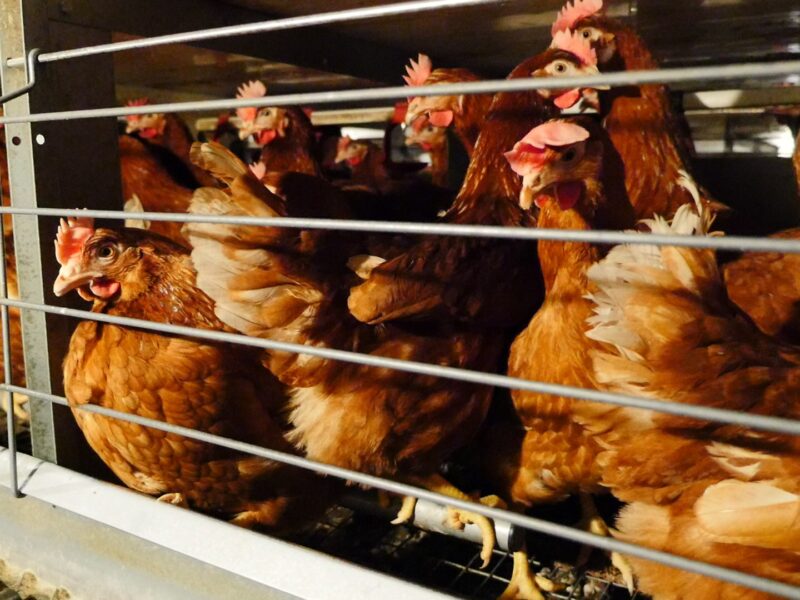
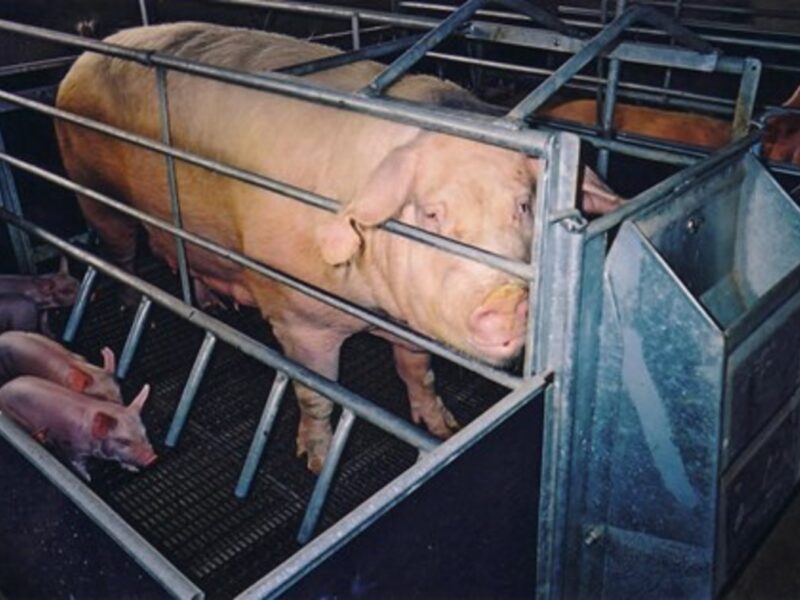
Yet too often, we respond to the symptoms while ignoring the causes. The same industrial model of agriculture that has helped drive wildlife decline is also a significant contributor to climate change. We have treated soil as a factory floor, animals as units of production. Nature has been seen as something separate from farming rather than essential to it. The result is a landscape less resilient to drought, flood and extreme weather.
Standing in a field of wheat beside a drying reedbed, it seems to me that the answer is staring us in the face. We need farming that works with nature, not against it. Farming that captures carbon in healthy soils, stores water, and leaves room for wildlife.
If government is serious about the national security risks it has identified, then supporting the transition away from industrial agriculture should not be seen as an environmental luxury. It has to be part of safeguarding our food, our countryside and our future.
For now, I will keep walking. Looking for the weather to finally turn. Looking for the return of the marsh harriers. Worrying about my family. And taking comfort from the belief that, with enough determination, recovery is still possible.
Note: This is a version of an article that was originally published in The Scotsman on Friday 14th August, 2026
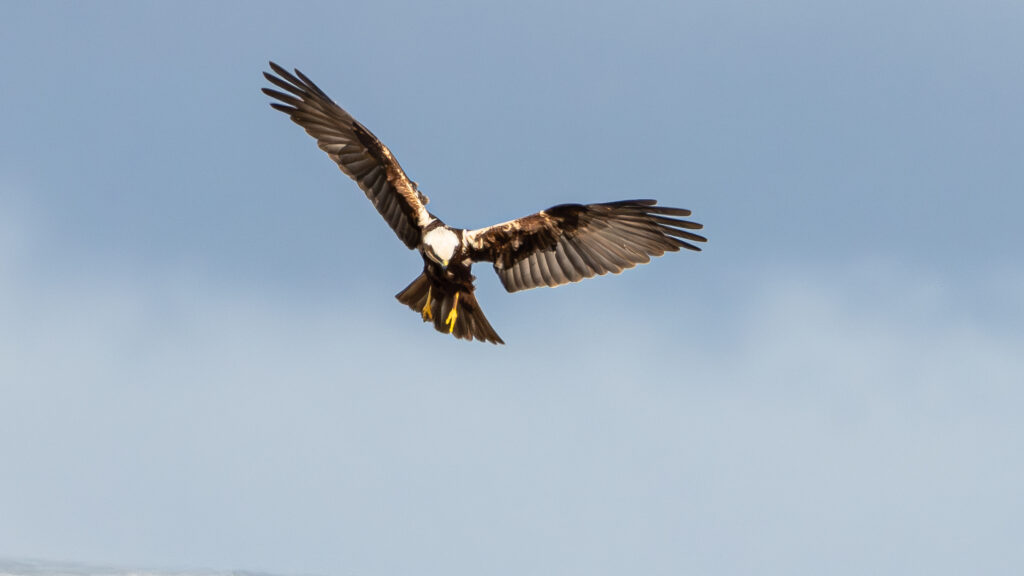
Main Image: Female Marsh Harrier Credit: Philip Lymbery