
My life on a legendary soap
I’ve known Graham Harvey for many years and long admired his gift for spotting pioneers long before others do, and for bringing complex issues to life through compelling storytelling. As a former Archers scriptwriter and author of the influential The Killing of the Countryside, Graham has helped countless readers see farming, food and the countryside in a new light. I’m delighted to share his reflections on life behind Britain’s best-loved farming soap.

My Life On A Legendary Soap
The year 1984 was a momentous one for me. It was the year I got to write scripts for my favourite ‘soap’, BBC radio’s The Archers. At the time I’d never written a word of fiction, let alone drama. I’d been working as an agricultural journalist, writing features for publications like Farmers Weekly. Now I knew my life had to change.
British agriculture was in the grip of what was deceptively called ‘the green revolution’. It promised an end to world hunger and a golden future for farmers. But to a journalist like me, who’d learned agriculture at a time of sustainable, mixed farming, these claims looked bogus.
Farming had been turned into a year-round chemical fest. Everywhere I went I saw hedges being ripped out, ancient meadows ploughed, wetlands drained. All to grow more pesticide-contaminated wheat to add to the wasteful European surplus.
We’d launched what amounted to chemical warfare on nature. The farming press loved it. For them it meant an advertising bonanza from the chemical companies. The only stories that interested them were on the new chemical methods. I knew I had to find a new source of income. I decided to try my hand at script writing. The obvious outlet was the legendary radio soap I’d been a fan of since my days as an agricultural student.
I sent my home-crafted scripts to the BBC in Birmingham, but heard nothing. I’d almost forgotten them when, out of the blue, I had a call from Archers’ editor William Smethurst. He offered me a week’s trial episodes.
Teenage romance
For my Friday episode I had to introduce a new teenage character, Elizabeth Archer. She was to meet and date one of the show’s young stars, the fun-loving Nigel Pargetter. Though it had been a while since my own teenage years, I had a flash of inspiration. I would base the new character on a girl I’d fallen painfully in love with when I was sixteen.
It’s fair to say Paula was always out of my league. Even so our affair, if you could call it that, was just about the most exciting thing that had happened to me. I would try to inject some of the magic into this radio relationship.
Smethurst’s overall verdict on the scripts wasn’t encouraging. There was one scene he really liked, though, the one with the new Elizabeth. It was exactly the way he’d wanted the character written, he told me. On the strength of that scene I got a regular contract.
In my three decades on the show I’ve devised and scripted many memorable stories. I had the young environmental activist Tom Archer trash his Uncle Brian’s GM crop and get charged with criminal damage. I then wrote the Crown Court trial scenes over a full week, at the end of which Tom was found Not Guilty.
Later, I had the sixty-fifth anniversary episode set entirely at Brookfield. Three generations of the Archer family worked out a new future for the farm, a story that echoed the first Archers’ episode back in 1951.
Eddie’s anger
When the popular Grundy family faced eviction from the family farm, I had the usually amiable Eddie rage against a system that would force out sustainable, nature-friendly enterprises like theirs. I then had Home Farm hit by huge fines for river pollution. It transpired that Brian had allowed the illegal dumping of industrial chemicals back in the 1970s.
I enjoyed writing the smaller stories, too, the everyday stories of kindness and humanity that are the stock in trade of so many farms. David Archer sitting up for nights to help an ailing cow. Days in the lambing shed and sightings of rare birds. Plus impromptu picnics in the harvest field, a reminder that farm life remains rooted in community.
Despite the inevitable pressures of a daily soap, I loved my time on The Archers. When the show started, its creator, Godfrey Baseley, believed it should also educate farmers in the use of modern methods, those that would ultimately lead to the green revolution.
If we’re now to save our countryside, our wildlife and our planet, we must urgently transition to the sustainable, nature-friendly methods the politicians so carelessly abandoned. Could The Archers now show the way to a new regenerative and humane system of farming?
Graham Harvey’s book, Underneath The Archers, is published by Wilton Square Books and may be purchased through independent stores and online here
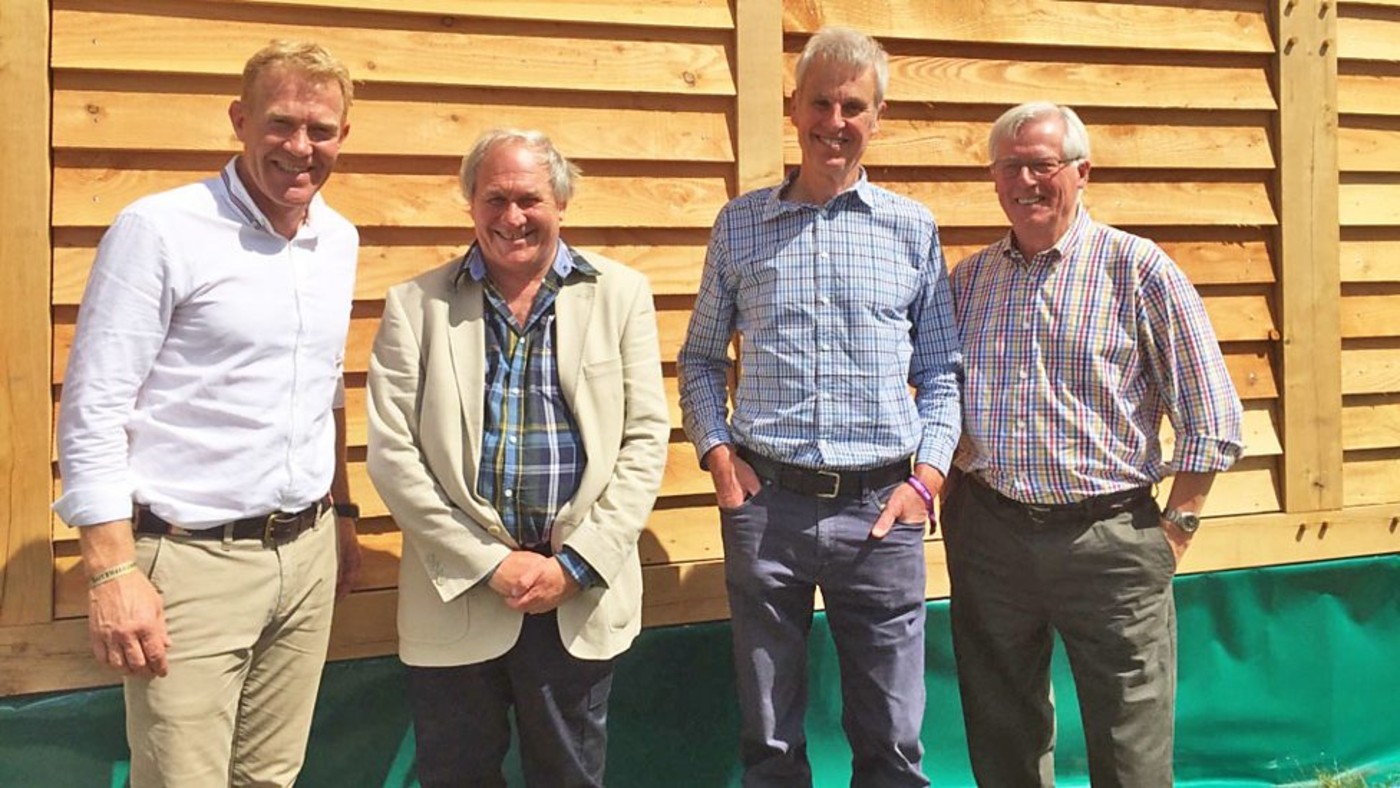
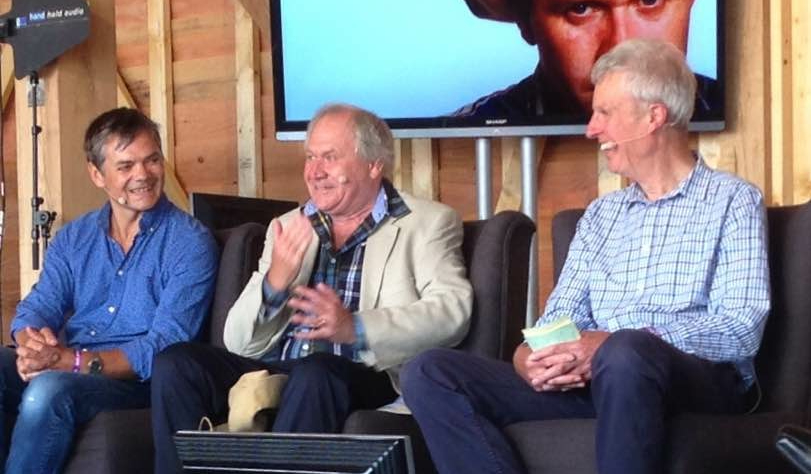
Main Image – Me at Countryfile Live with (from the left) Adam Henson, Trevor Harrison (Eddie Grundy) and John Craven | Credit: BBC